Lighting Scenarios and Human Well-Being in Extreme Environments: Insights from St. Kliment Ohridski Antarctic Base

Abstract
Lighting is a critical factor in human well-being, cognitive function, and performance – particularly in extreme and confined environments such as space habitats and Antarctic research stations. Despite its importance, limited research exists on how individuals adapt lighting to meet personal and contextual needs in these settings. This study investigates lighting use at the Bulgarian Antarctic base, focusing on how inhabitants adjusted natural and artificial light to support mood, comfort, and daily routines. Data was collected through on-site observations, qualitative interviews, and structured questionnaires. Results reveal key challenges in current lighting systems, including a lack of flexibility, user control, and emotional responsiveness. Findings suggest that human-centered lighting – especially systems that are adaptable, automated, and user-driven – can significantly improve well-being and operational efficiency in isolated environments. These insights inform future design strategies for space analogues and extraterrestrial habitats, contributing to the advancement of human-computer interaction in space exploration through responsive and personalized lighting solutions.
Keywords and phrases:
sensponsive design, human-centric lighting, circadian light, colorful lightingCopyright and License:
![[Uncaptioned image]](x1.png) © Christina Balomenaki, Ismene Chrysochoou, and Konstantinos-Alketas Oungrinis; licensed under Creative Commons License CC-BY 4.0
© Christina Balomenaki, Ismene Chrysochoou, and Konstantinos-Alketas Oungrinis; licensed under Creative Commons License CC-BY 4.0
2012 ACM Subject Classification:
Applied computing Computer-aided design ; Human-centered computing Human computer interaction (HCI) ; Human-centered computing Visualization ; Applied computing Arts and humanities ; Applied computing Education ; Computing methodologies Artificial intelligenceAcknowledgements:
This research was made possible through the support and collaboration of several individuals and institutions, to whom we extend our sincere gratitude. We wish to express our special appreciation to the Bulgarian Antarctic Institute, whose pivotal role in facilitating the experiment – through hosting, coordination, expert guidance, and logistical support – enabled the realization of this project. The experiment was carried out in the framework of the 33rd Bulgarian Antarctic Expedition. We would also like to thank the Hellenic Polar Zones Society, the official organizing body of the Greek participation, for its support throughout the process. Special thanks are due to Laskaridis Shipping Company Ltd, whose generous sponsorship and continued support made the implementation of this initiative possible.We are particularly grateful to Efcharis Gourounti, architect researcher at the Transformable Intelligent Environments Laboratory (TUC TIE Lab), for kindly granting permission to utilize material developed for her research project titled “Habitability in Extreme Environments: A Participatory Design Approach to Increase Occupant’s Wellbeing.” We also acknowledge the valuable contributions of the individuals who participated in the experiment, whose engagement and feedback were essential to the development of this research. Furthermore, we would like to thank Rosen Stefanov, Kamen Nedkov and Marina Velikova for their support in providing critical material resources that contributed to the implementation and documentation of the project. Finally, we extend our sincere thanks to Georgios Tsakyridis for his valuable contribution in text editing and formatting, which supported the clarity and presentation of this work.
Editors:
Leonie Bensch, Tommy Nilsson, Martin Nisser, Pat Pataranutaporn, Albrecht Schmidt, and Valentina SuminiSeries and Publisher:
 Open Access Series in Informatics, Schloss Dagstuhl – Leibniz-Zentrum für Informatik
1 Introduction
As humanity advances toward deep space exploration and the development of space habitats, long-duration missions present growing challenges to the psycho-physiological well-being of astronauts. Confinement and isolation under unfamiliar environments and harsh conditions can affect humans both physically and mentally. Stress, anxiety, discomfort, sleep disruptions, headaches, disorientation, and even depression are only some of the common side effects on people who live and work for a period of time under extreme conditions [1].
Lighting design in those extreme, confined environments – such as space habitats and Antarctic research stations – plays a critical role in human well-being, performance, and psychological resilience [19]. However, research on user-centered lighting solutions in these settings remains limited, particularly in addressing long-term challenges like monotony, circadian misalignment, and adaptability to individual needs. Observations from both space analogues and polar bases reveal recurring issues: static lighting systems that fail to support dynamic human requirements, poor simulation of natural light cycles, and insufficient personalization.
Existing advancements in lighting for confined environments emphasize circadian rhythm regulation and basic task illumination, exemplified by innovations like SAGA Architects’ Circadian Light Panel deployed on the International Space Station (ISS). This system uses tunable LEDs to mimic natural light cycles, promoting alertness or sleepiness in alignment with astronauts’ biological clocks [6]. Prior studies in space analogues (e.g., HI-SEAS, Concordia Station) and polar bases have tested static LED solutions, but few incorporate real-time user feedback or AI-driven personalization. Similarly, analog habitats like LunAres have demonstrated the efficacy of artificial daylight simulation, where dynamic lighting cycles convincingly replicate natural rhythms. Participants in the Orpheus-11 mission reported no longing for natural sunlight, underscoring the psychological sufficiency of well-designed artificial cycles [11]. Despite these findings, most systems remain static, lacking adaptability to individual chronotypes or task-specific needs [8].
A growing body of research highlights the psychological benefits of color. Studies demonstrate that multicolor lighting is not only conducive to improving psychological comfort, work performance, safety, and environmental satisfaction but also helps reduce environmental stress and work fatigue as well as physical and mental problems [9, 23, 4]. Recent studies found that multicolour lighting can alleviate the increase in anxiety and negative emotions caused by isolation and confinement. Moreover, random changes of light color in the isolated environment appeared to help the participants increase their sense of surprise, thereby counteracting monotony [9].
Current lighting designs are configured to serve only one function, i.e., to support astronaut vision, not psychological issues. Therefore, exploring ways to alleviate psychological problems in a closed and isolated environment is an important means to ensure long-term space exploration and habitat missions [9].
Building on our previous research at TUC TIE Lab on artificial lighting and projection mapping for psychological comfort in modular space analogue habitats [1] – conducted as part of the Intelligent Spacecraft Module research framework – this study extends those insights to a new context: the Bulgarian Antarctic Base.
Our investigation was motivated by the need for automated, adaptive lighting systems that integrate Human-Computer Interaction (HCI) principles for long-duration missions, extending concepts explored under the Sensponsive framework and the Spirit-Ghost pilot projects. The presented research explores further the work done for a Mars habitat prototype, emphasizing reconfigurable environments [21] and the Intelligent Spacecraft Module, a self-adapting habitat leveraging AI for crew comfort [20].
We hypothesized that AI-driven, user-customizable lighting – informed by these prior initiatives – could mitigate isolation, enhance task performance, and regulate circadian rhythms, addressing both observed deficiencies in Antarctic lighting systems and astronaut needs in space exploration.
The findings highlight key challenges in current lighting setups and underscore the need for adaptive, AI-driven, human-centered systems that adjust in real time to users’ needs [18] and prioritize astronaut well-being in confined, isolated habitats like Mars bases or lunar stations. This study advances human-computer interaction (HCI) research in space exploration and aims to bridge the gap between technical lighting systems and human experience by informing the development of intelligent lighting systems tailored for long-duration missions in space analogues and extraterrestrial habitats.
2 Methodology and Field Deployment
To explore these issues in a real-world analogue environment, the present study employed a three-phase experiment procedure at the St. Kliment Ohridski Base, combining quantitative and qualitative approaches to investigate the psychological and experiential impact of adaptive, multicolour lighting in confined and isolated conditions. The research was conducted by the co-author at the Bulgarian Antarctic base between 28th December 2024 and 18th January 2025. Phase A was conducted during the initial weeks of the expedition, followed by Phase B over a 20-day intervention period and Phase C after the departure of the co-author of the base.
Phase A: Baseline Assessment of Lighting Perception in Confined Environments
The initial phase involved the administration of the Lighting Questionnaire for Confined Environments, developed to evaluate subjective perceptions, preferences, and psychological responses to lighting among individuals living and working at the St. Kliment Ohridski Base. The questionnaire consisted of both quantitative and qualitative components, enabling the collection of measurable data alongside open-ended reflections on lighting conditions in confined spaces. A total of 20 participants, residing across all buildings of the base, participated in this phase.
Phase B: Qualitative Findings from the Experiential Phase – Researcher and Inhabitant Views
In the second phase, a colorful lighting fixture was installed by the researcher in the Casa España for a period of approximately 20 days. A total of four participants, all residents of Casa España, participated in this second, experiential phase. The aim was to explore the emotional, cognitive, and experiential dimensions of lighting in a lived setting. To evaluate the intervention’s impact, the Casa España Questionnaire was administered to the inhabitants. This eight-question instrument focused on participants’ initial impressions, emotional and psychological responses, memory associations, and openness to the future use of colorful lighting in extreme environments.
Phase C: Post-Intervention Interaction with Adaptive Lighting
Following the researcher’s departure from the base, the lighting fixture remained in place for continued, voluntary use by all of the inhabitants of the base. Observational material and informal feedback were subsequently collected to document spontaneous interactions with the lighting and to gain insight into longer-term engagement with the installation.
Overview of Lighting Devices for the Study
Two lighting fixtures were employed in the experiment to explore the psychological and atmospheric effects of dynamic lighting in confined environments. The first was an RGB Sunset LED lamp (Figure 1), featuring integrated LED technology and remote control.
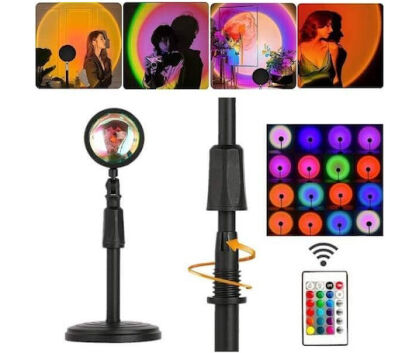
It provides a full RGB spectrum, allowing users to adjust color, intensity, and transitions to create mood-specific lighting. Its gradient sunset effect was used to enhance emotional comfort, supporting both relaxation and social interaction through customizable ambient colorful light [3].
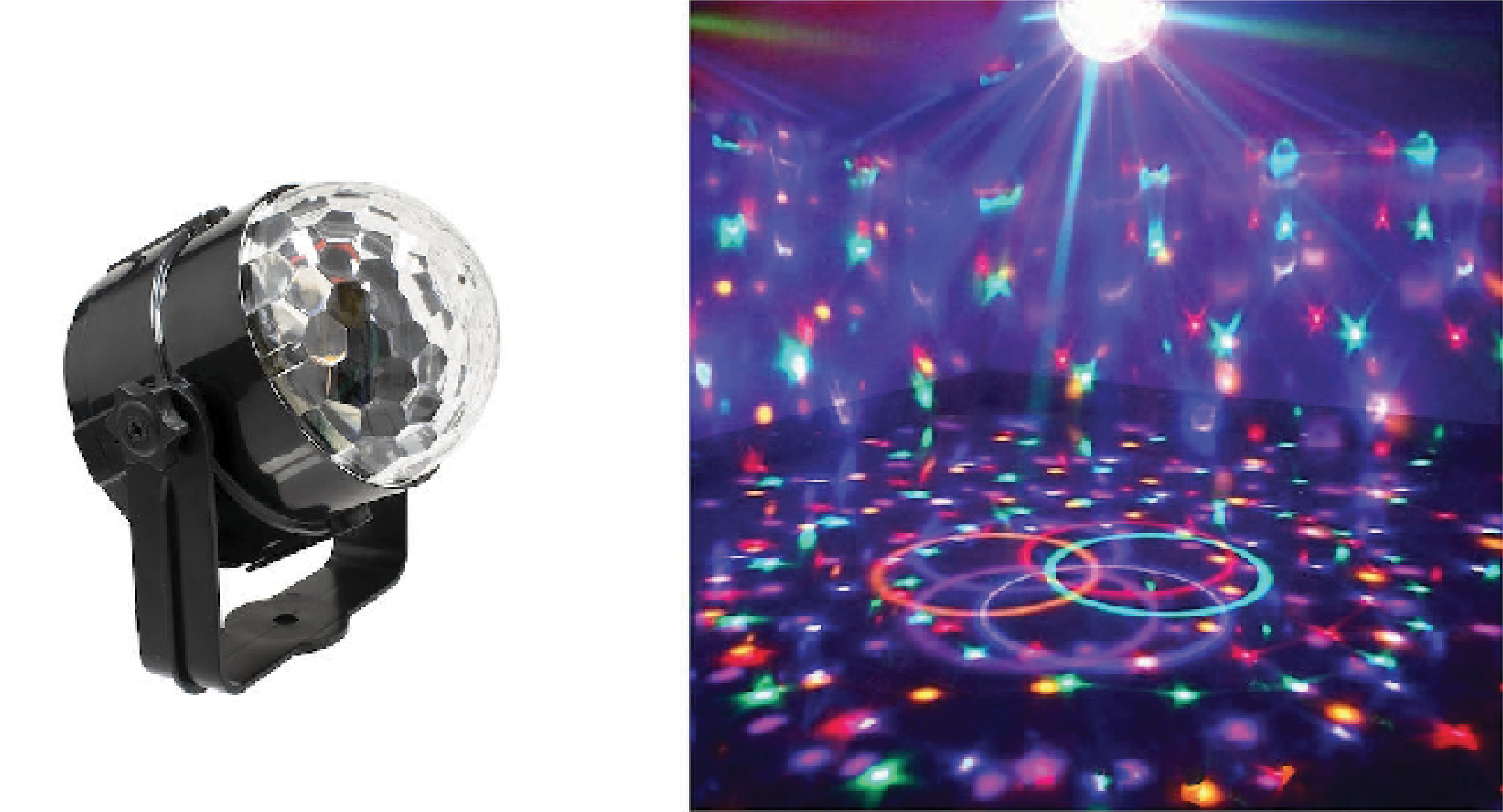
The second fixture was a high-output RGB stage-effect lamp (Figure 2), equipped with three 1W LEDs in a compact, portable form. With a 120° beam tilt and both auto and remote modes, it enabled vivid, moving, spatially adaptable lighting scenarios [26]. Its dynamic projections were suited for both decorative and atmospheric purposes, enhancing spatial perception and variability in the experimental interiors.
Together, these phases aimed to assess whether adaptive, multicolor lighting could meaningfully impact psychological well-being, spatial perception, and social dynamics – providing insight for future human-centered lighting strategies in long-duration space missions.
3 Sensponsive Lighting in Extreme Environments: From Philosophical Foundations to Adaptive Applications
a. The Philosophy of Sensponsive Design: Time, Understanding, and Intention in Adaptive Environments
Sensponsive design framework is an architectural and technological approach that integrates real-time sensing, artificial cognition, sensibility and response through adaptive spatial and ambience configurations to create environments that respond dynamically to human activity, specifically tailored according to the context of the activity. The term derives from the notion of “sensible responses” meaning that the provision of any response should take into consideration a multitude of factors that give “meaning” to the human actions and provide beneficial conditions to facilitate the performance of these actions in the appropriate context. The framework also emphasizes seamless and “transparent” interaction between users and spaces via embedded systems and smart materials. Rooted in ambient intelligence and ubiquitous computing, sensponsive design adjusts spatial and ambient conditions based on behavioral and contextual data. It is guided by three core principles: time (prompt responsiveness), understanding (contextual and behavioral awareness), and intention (purposeful, user-centered adaptation) – together enabling intelligent, comfort-driven environments [17, 18, 19]. The advancement of AI provided the tools to pursue further research and development of the Sensponsive framework, allowing proof-of-concept projects to move forward.
b. The Evolution of Lighting in Extreme Environments: From Functional Illumination to Sensponsive Intelligence
The evolution of lighting in confined and isolated environments has progressed in response to a deepening understanding of human needs in extreme conditions. Early stages relied on simple, functional solutions such as static fluorescent lighting, primarily aimed at providing visibility and supporting basic operational tasks.
Currently, lighting systems have advanced to simulate circadian rhythms, recognizing the critical role of light in regulating biological cycles, sleep patterns, and general well-being in environments where natural light is absent or inconsistent [6, 5, 12]. Alongside this, there is a growing focus on using light to foster relaxation, recreation, and social interaction, incorporating dynamic color temperatures, ambient lighting tones, and mood-enhancing schemes to improve the overall quality of life in such settings [9, 5].
Looking ahead, the next frontier in lighting design is the development of personalized and intelligent lighting systems powered by artificial intelligence (AI), the sensponsive lighting systems, as well as systems that provide the illusion of deeper fields of view, mitigating the issues resulting from confined lines of sight and restricted fields of view. These systems aim to be both activity-based and context-sensitive, adapting in real time not only to the nature of the activity being performed but also to the individual characteristics and preferences of each user [17, 18, 19].
The goal is to create a lighting environment that understands and responds to both functional demands [25] and emotional states, offering differentiated lighting experiences even among users engaged in the same task. That marks a transition toward truly adaptive, human-centered lighting ecosystems, where AI enables deeper personalization and enhances well-being through responsive environmental design.
c. Towards Sensponsive Lighting: Applying Adaptive Design Principles in Extreme Confined Spaces
In extreme environments like space stations and Antarctic bases, lighting plays a critical role in mitigating the effects of isolation, light deprivation, and psychological strain [5]. Traditional static systems often overlook evolving human needs and environmental shifts [19]. Sensponsive lighting addresses that by using predictive cognitive-based intelligence and real-time situation awareness to adapt light conditions based on both contextual activity and individual user preferences [17]. These systems analyze user behavior, movement patterns, and the time of day to anticipate needs [18] – whether for work, rest, or focus – and adjust brightness, color temperature, and intensity accordingly. Over time, they learn from user interactions to fine-tune lighting to personal comfort levels. This personalized, context-aware approach enhances well-being, resilience, and performance in confined, high-stress settings.
4 Illumination in Isolation: Shared Constraints and Divergent Needs in Antarctic and Space Habitats
Antarctica and space habitats share similar lighting challenges due to isolation and environmental extremes. While Antarctica has a natural day-night cycle, it is highly irregular – with months of continuous light or darkness – offering limited support for circadian regulation [12]. In contrast, space habitats lack natural light entirely. Both settings typically rely on pre-programmed, centrally managed lighting systems that limit user control and provide uniform, task-focused illumination – lacking the flexibility needed to support psychological comfort or accommodate varied activities [8]. That can disrupt sleep patterns and the feeling of adaptation [15, 16] and reduce overall well-being [5]. To address these constraints, lighting design must move beyond basic functionality to support circadian rhythms, emotional well-being, and adaptability in these extreme contexts.
5 Research Context and Environmental Conditions
a. Site Description and Spatial Configuration
St. Kliment Ohridski Base is a Bulgarian Antarctic research station located on Livingston Island in the South Shetland Islands, off the coast of the Antarctic Peninsula. The station is situated on slightly elevated, ice-free terrain near the coast of South Bay, adjacent to the Grand Lagoon – a freshwater body covering approximately 10,000 square meters and situated at an elevation of 2.4 meters above sea level.
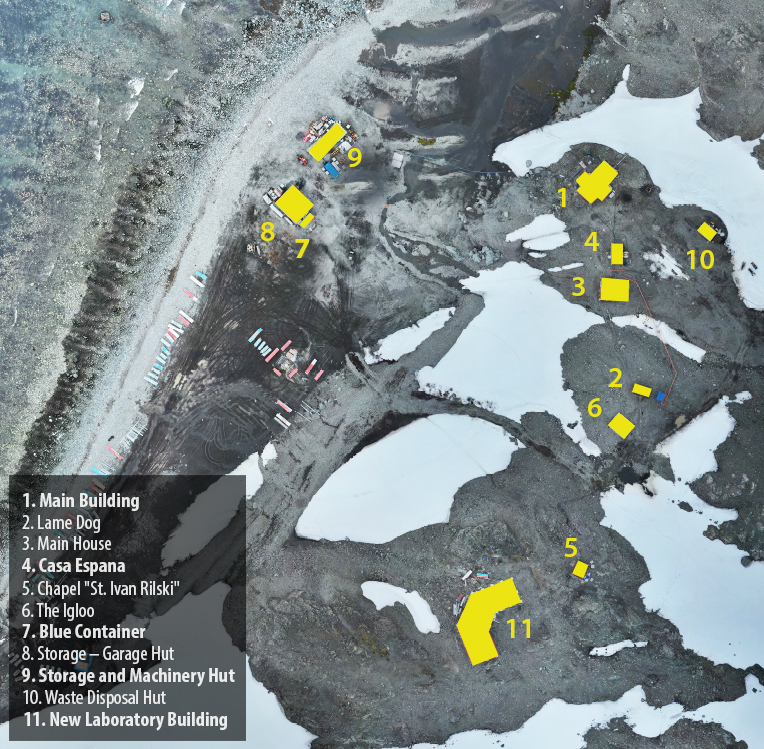
Unlike single-structure research stations such as Concordia, St. Kliment Ohridski Base comprises a network of buildings, each serving distinct functions. Constructed at different periods, these structures collectively form the base’s infrastructure, facilitating transitional spaces and movement pathways between them. Currently, the base consists of 11 separate building premises, each fulfilling specific operational, residential, or research-related roles (Figure 3).
b. Lighting Conditions and Environmental Context
b1. Daylight Conditions During the Research Period
The lighting conditions observed during the experiment, conducted between December 28th, 2024 and January 18th, 2025, coincided with the peak of the Antarctic summer [22]. During this period, the base experienced continuous daylight, with only slight variations in ambient light intensity throughout the 24-hour cycle. The darkest interval occurred between 01:00 and 03:00 AM, although the sky retained some brightness. From 08:00 AM to 09:00 PM, changes in daylight were minimal and barely perceptible (Figure 4). Despite the extended photoperiod, the most significant variations in lighting were due to weather conditions rather than diurnal shifts (Figure 5).


The variability in lighting conditions at the base was primarily driven by the rapid and unpredictable meteorological changes. The weather in the region was highly dynamic, often shifting rapidly over short periods. The overcast sky and the landscape in grayscale tones were often obscuring the characteristic hues of sunset and its colors. On some occasions when the clouds parted, the contrast was dramatic: clear blue skies delivered high-contrast illumination, enriching visibility and enhancing color perception across the terrain. These brief moments of improved visibility prompted excursions – such as hikes to nearby peaks – to observe and document the vivid hues of the Antarctic sunset. That resulted in a diverse and often challenging lighting environment for both observational and experimental activities.
Here is a personal testimony from architect Penka Stantcheva – who spent a year overseeing the construction of new laboratories at the Bulgarian Antarctic Base “St. Kliment Ohridski” – and conveys the lighting experience exceptionally well: “The light – it’s different every day, changes several times a day. At that moment of the year day and night merge; practically, it doesn’t get dark. Over time one starts getting used to it, recognizing the subtle shades of light that suggest the time. Dynamic climate changes, the onset of rain, as well as the often shifts of clouds, winds and lights also contribute to the feeling that one day consists of many days” [24].
b2. Interior Lighting Conditions: Daylight and Artificial Lighting
Dining Hall in the Main Building
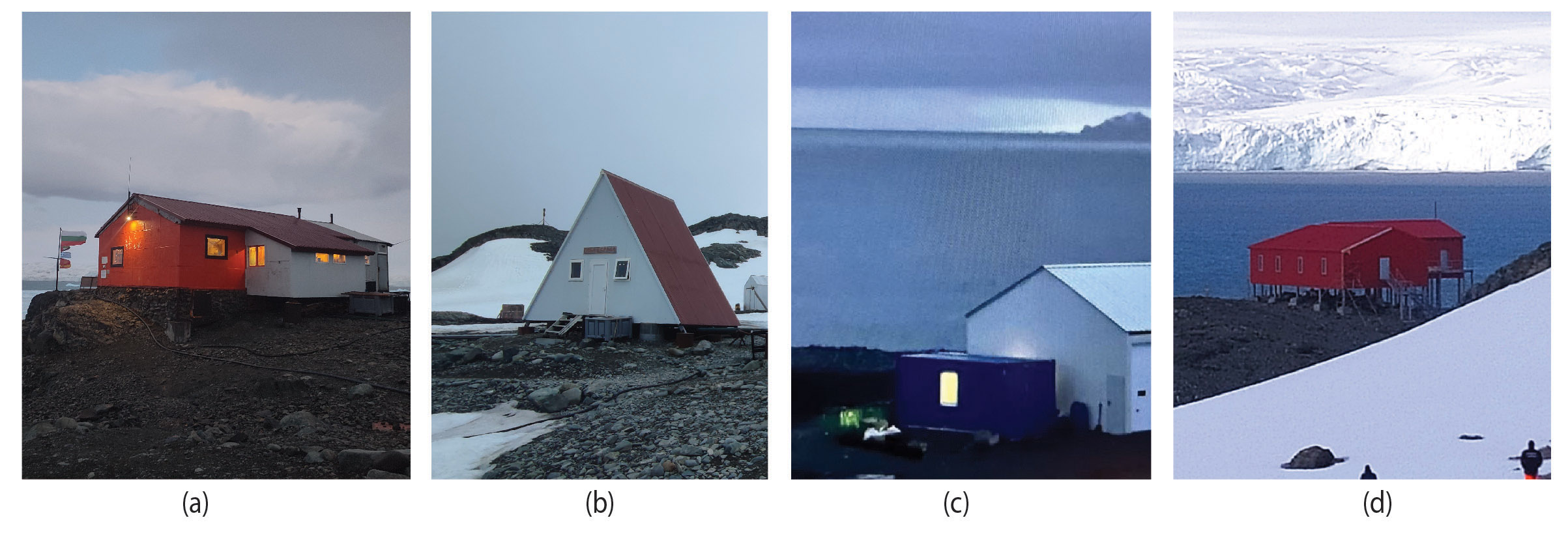
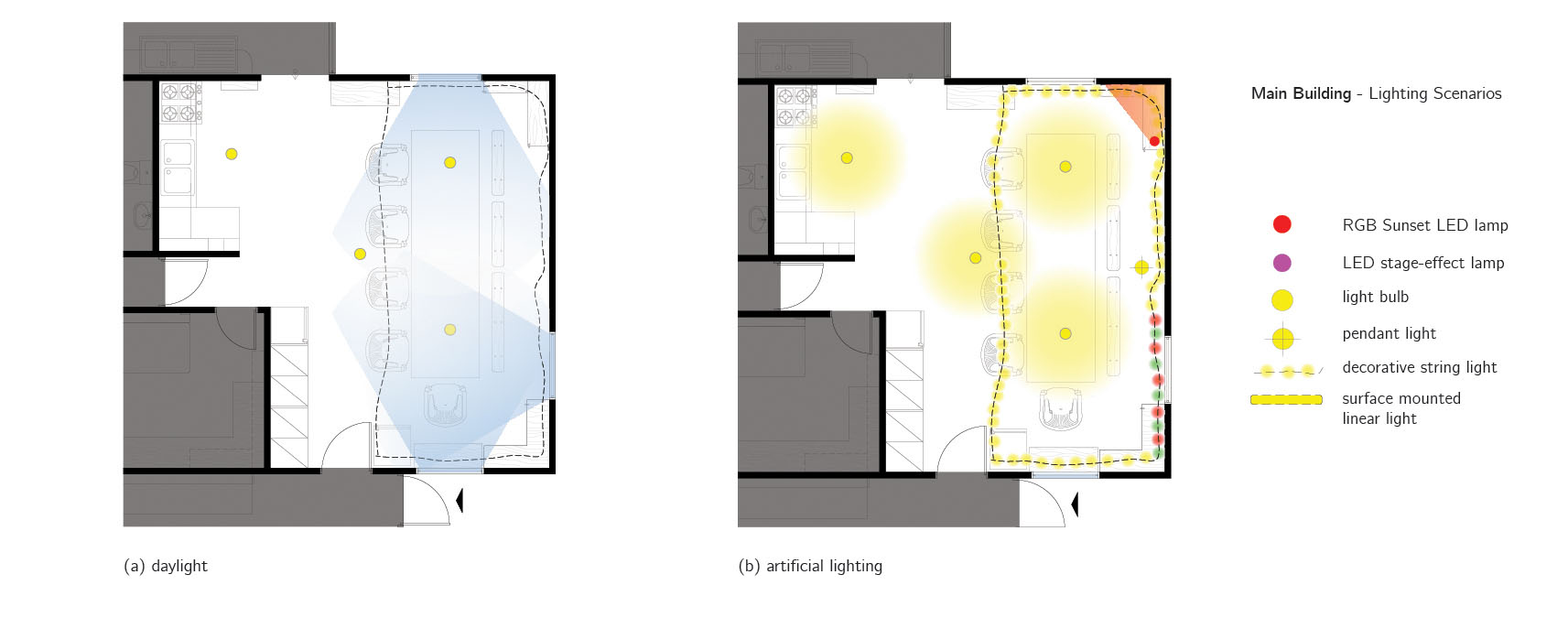
At the heart of the base lies the Main Building (Figure 6a), a single-story structure functioning as the central hub of daily life. It includes shared living spaces, such as a dining area, an open-plan kitchen, and common rooms where residents engage in leisure activities. Bedrooms and bathrooms are also located within the structure, and a food storage area is found at its rear.
The Dining Hall in the Main Building stands out as the space with the most generous daylight access across the entire base. It features three large windows, each measuring 60 × 90 cm, oriented toward the southeast, southwest, and northwest. This strategic orientation provides consistent exposure to daylight throughout the day while also offering visual contact with the surrounding Antarctic landscape. Particularly, the southwest-facing window, which opens toward the bay, is a favorite spot among base residents for its unobstructed view and the vivid colors of the sunset when visible.
The Dining Hall is characterized by warm wooden surfaces, on which the artificial lighting projects prominently. In terms of artificial lighting, it offers the most thoughtfully designed and atmospherically rich setup within the base. It is the only space where, even at a basic level, lighting scenarios had been implemented during the researcher’s stay. A combination of pendant lights and decorative string lights creates a warm, domestic ambiance. The capacity to vary the lighting configuration contributes significantly to the perceived intimacy and emotional comfort of the space, distinguishing it as a key area for social gathering [3, 15] (Figures 7, 8).

Casa España
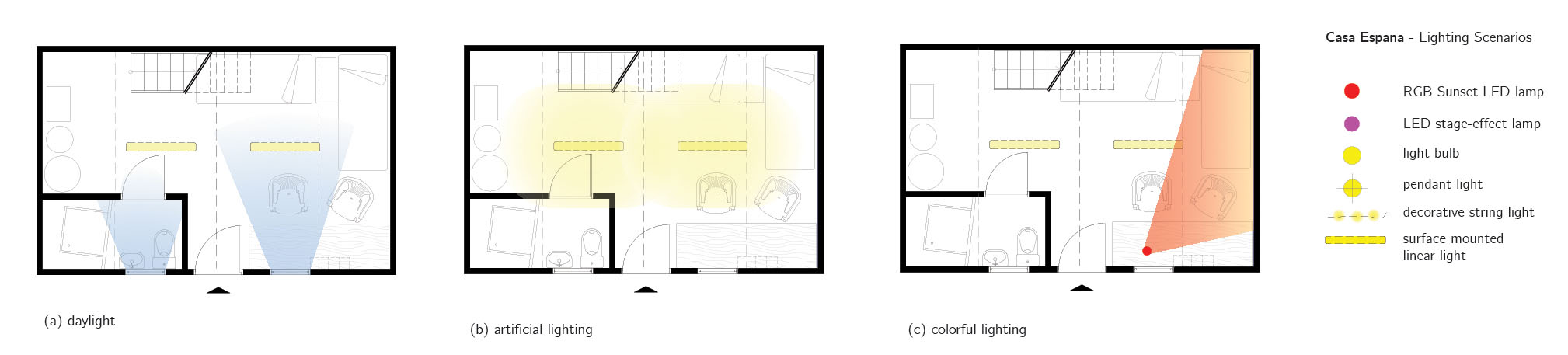
Adjacent to the main facility is Casa España (Figure 6b), a two-story building with sleeping accommodations for up to three people on the upper floor and two people on the ground floor. The ground floor features a small workspace and bathroom. Its interior, entirely clad in natural-colored wood, responds dynamically to lighting conditions. As with the dining hall, the interaction between artificial light and the wooden surfaces creates a visually rich and textured environment, again marked by high visual complexity.
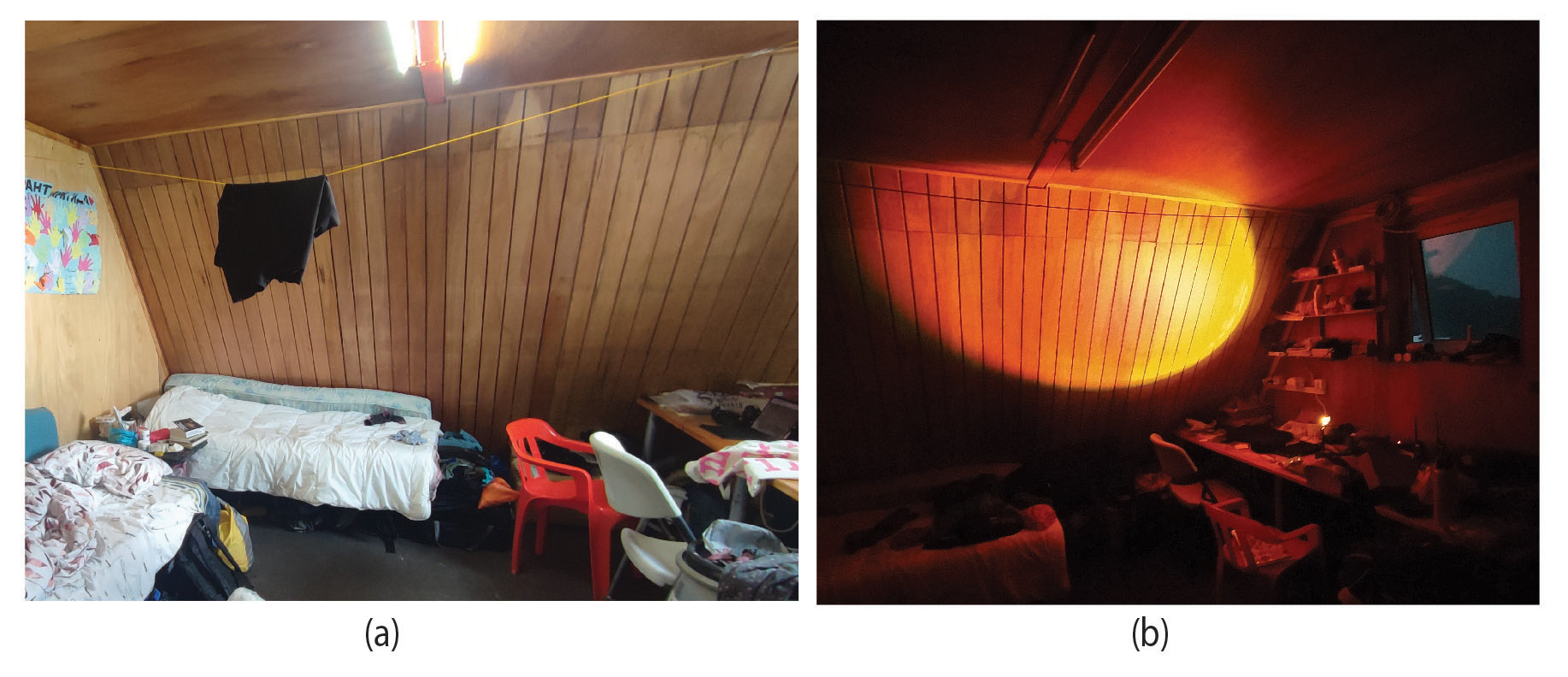
The ground floor of Casa España presents limited access to daylight. The space includes only one small, high-level window that prevents any meaningful visual connection with the exterior. As a result, natural light is insufficient, and artificial lighting becomes necessary for most of the day. The artificial lighting in Casa España consists of a single type: surface-mounted linear lights with a cool color temperature. The setup provides uniform, functional illumination but lacks flexibility or variation. No lighting scenarios are implemented in this space, which remains visually static and functionally utilitarian throughout the day (Figures 9, 10).
The “Blue Container”
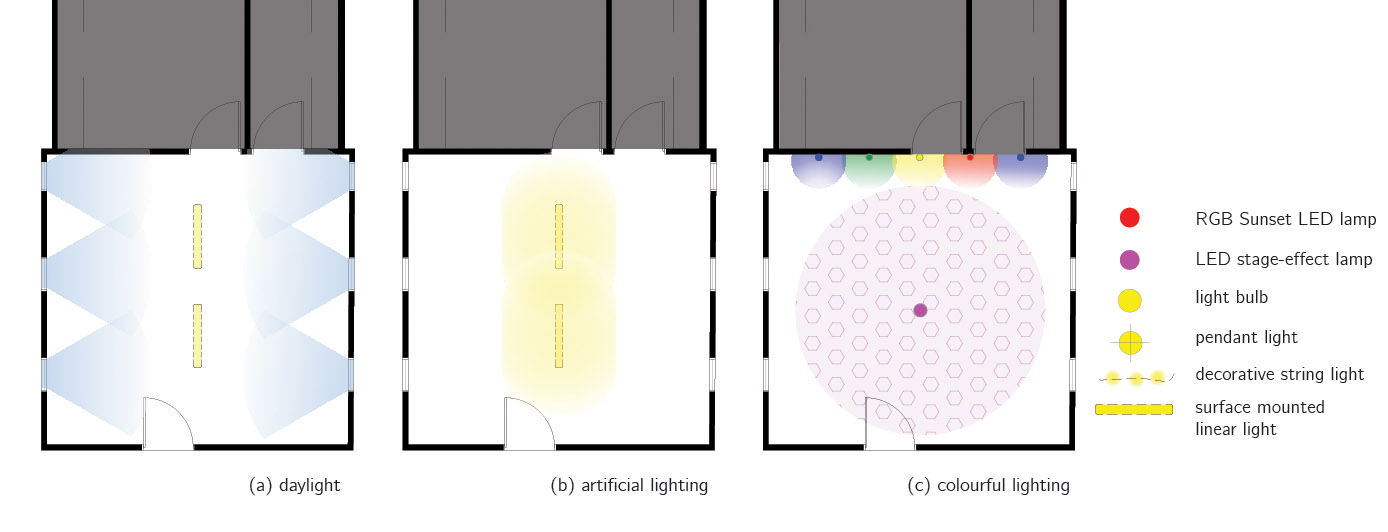
The Blue Container (Figure 6c), a repurposed standard-sized shipping container (6.06 m × 2.44 m), serves a versatile role, commonly used as a laboratory for scientific research. Its interior, finished in a light grey palette, offers minimal visual complexity. This uniformity, combined with its small scale, results in optimal conditions for controlled lighting, making it ideal for work that requires visual clarity and consistency.
The Blue Container benefits from excellent daylight conditions due to the presence of three large windows on three sides of the space. It is the only building on the base equipped with shutters, allowing full control over the amount of daylight entering the interior. This makes it particularly suitable for activities that require variable or reduced light levels, including scientific observations. Artificial lighting in the Blue Container is purely functional, composed of two surface-mounted linear lights emitting cool white light. The emphasis here is on visual clarity and task performance, aligning with the container’s role as a multi-purpose research and work area (Figures 11, 12).


Storage and Machinery Hut
The Storage and Machinery Hut features an open-plan storage room at its front, characterized by a sparse layout and minimal furnishings. This simplicity results in low visual complexity, making it easier to observe and analyze the effects of lighting within the space.
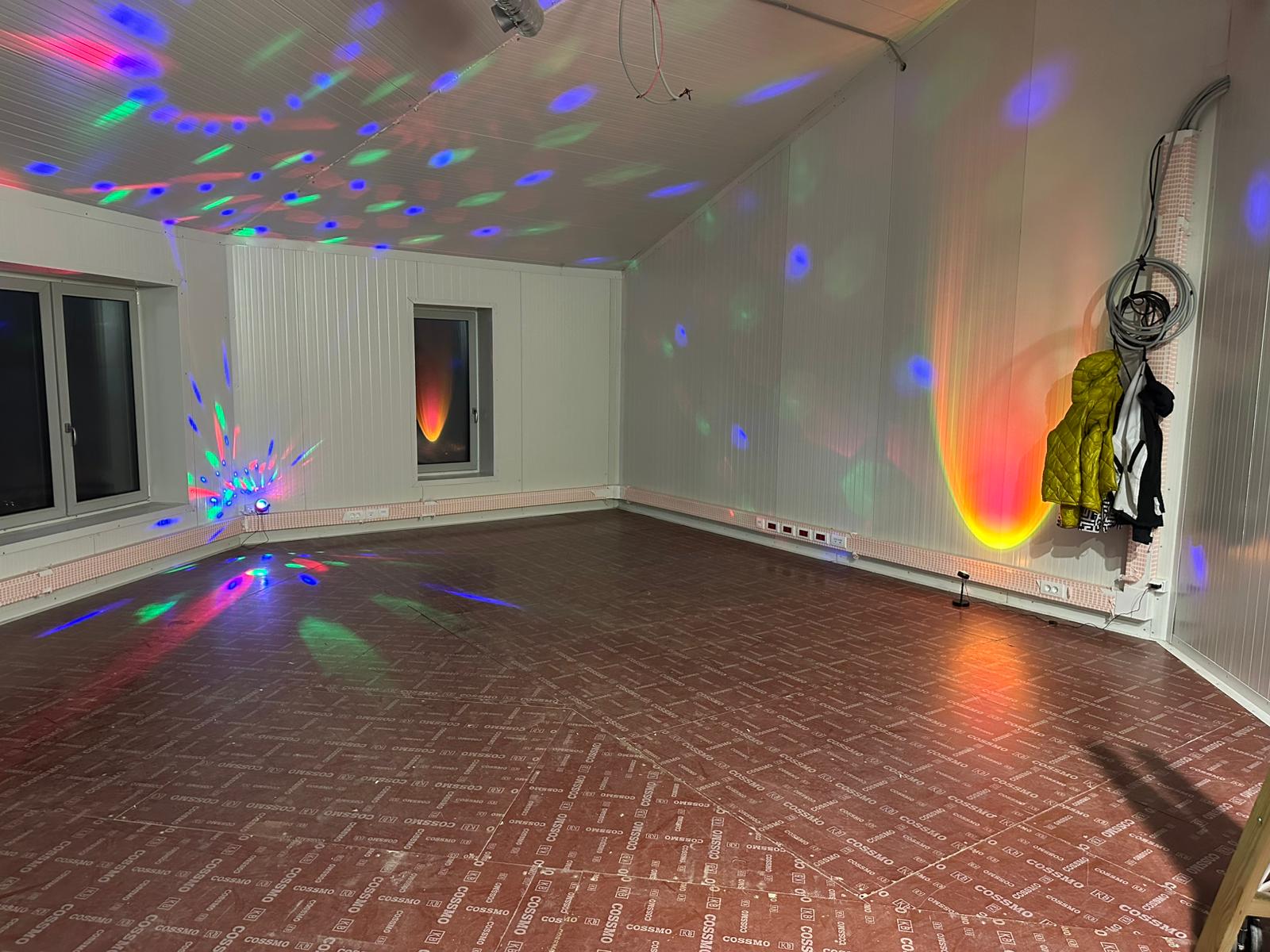
The open-plan storage room benefits from substantial daylight input via three northwest-facing windows and two southeast-facing ones. These provide balanced natural lighting conditions throughout the day, especially during periods of clear weather. Artificial lighting is provided by ceiling-mounted linear lights, ensuring even and practical illumination across the large, open space. Uniquely, this room also features five fixed-color LED bulbs installed along the northeast wall. Along with the Dining Hall, it is one of only two spaces in the base with provisions for colored lighting, enabling alternative atmospheric scenarios. This feature adds an unexpected layer of flexibility in an otherwise functional environment (Figures 13, 14).

The New Laboratory Building
The most recent addition to the base infrastructure is the New Laboratory Building (Figure 6d), completed during the latest research season. While it is scheduled to become fully operational in the following season, its common areas were already accessible. These spaces are defined by a modern interior design with light grey walls and ceilings and a laminated floor.
The Common Space is notable for its extensive access to daylight. It includes five windows, three of which are large horizontal openings that frame panoramic views of the bay. The combination of light grey interior surfaces with the wooden flooring enhances the quality and diffusion of natural light, creating a pleasant and calming atmosphere that supports both relaxation and collaborative activities. Artificial lighting is embedded in the ceiling through a recessed system integrated into a suspended ceiling structure. This type of lighting provides uniform, ambient illumination while maintaining the minimalist aesthetic of the space (Figure 15).
6 Lighting Questionnaire for Confined Environments – analysis
The questionnaire aimed to gather qualitative and quantitative feedback to (1) assess the impact of lighting conditions (e.g., color temperature, intensity, and customization) on well-being, task performance, and mood in confined environments; (2) evaluate satisfaction with existing lighting systems (e.g., circadian rhythm alignment, comfort); (3) identify current challenges (e.g., monotony, poor task support, isolation); and (4) guide user-specific lighting strategies for long-duration missions in space analogue environments.
The study involved 20 participants (13 males, 7 females) occupying diverse professional roles at the Antarctic base, including engineers, scientists, medical staff, architects, and logistics personnel. Ages ranged from 26 to over 56, with most participants between 36 and 56. Several held dual roles, combining research with technical or administrative duties. Antarctic experience varied significantly – from first-time deployments to veterans with up to eight missions. Most had visited once (9 individuals), while others had between two and eight seasons of experience. This diversity provided a broad range of perspectives, enriching the study’s insights into how occupational and environmental factors impact well-being and habitability in extreme conditions (Table 1).
![[Uncaptioned image]](table%201.jpg)
Participants provided demographic details, including age group, profession, and prior experience in confined environments. The questionnaire was categorized into five thematic groups for analysis:
-
Demographic Characteristics
-
Lighting Preferences & Customization
-
Evaluation of Current Lighting Conditions
-
Engagement with Colorful Lighting and Mood Effects
-
Suggestions & Improvements
6.1 Demographic Characteristics
The demographics of the participants (i.e., age, gender, occupational role or position at the base, duration of stay, and prior experience in confined environments) played a significant role in the results of the research.
Age.
Younger participants (26–35) valued customization and embraced flexibility, while older ones (46–55+) prioritized functional aspects like task efficiency and visual comfort. The results indicated that age can influence circadian sensitivity, tolerance to artificial lighting, and openness to technology (like AI-based lighting).
Occupation & Role.
People with technical or leadership roles (e.g., engineers, scientists, base commanders) focused on functional, task-oriented lighting and did not engage much with colorful lighting, as they seemed to prioritize basic needs and value control and stability over change. People with more diverse backgrounds (e.g., architects and artists) were more sensitive to monotony and needed dynamic lighting to maintain mental well-being. These individuals found colorful lighting engaging and mood-boosting.
Hours Indoors (Range: <6 to 14+ hours daily).
Participants who worked more than 10 hours per day indoors reported higher sensitivity to unnatural light cycles and valued customization and brightness and demanded activity-based dynamic adjustments. Those working outside were less critical of static lighting and preferred indirect or natural lighting.
6.2 Lighting Preferences & Customization
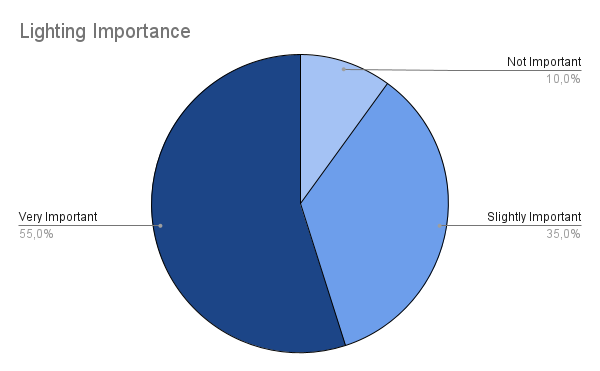
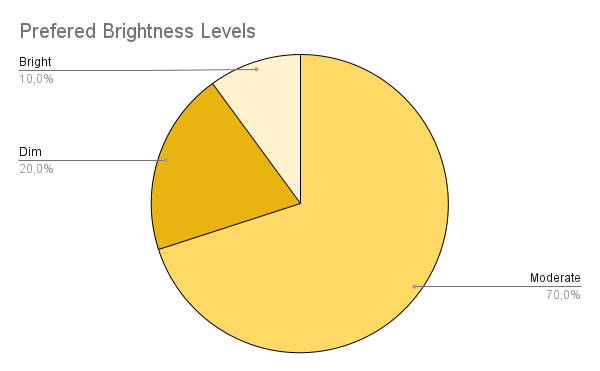
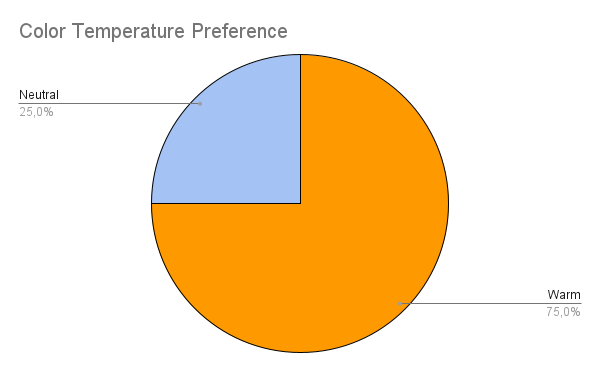
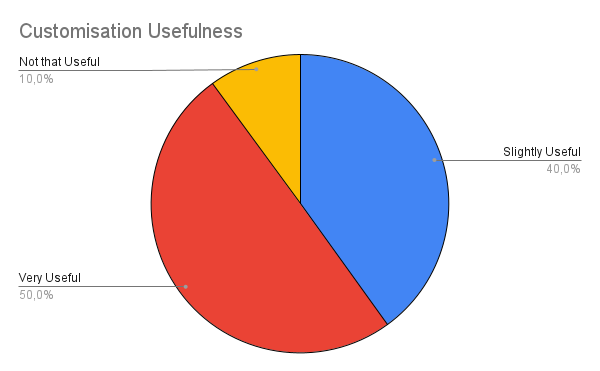
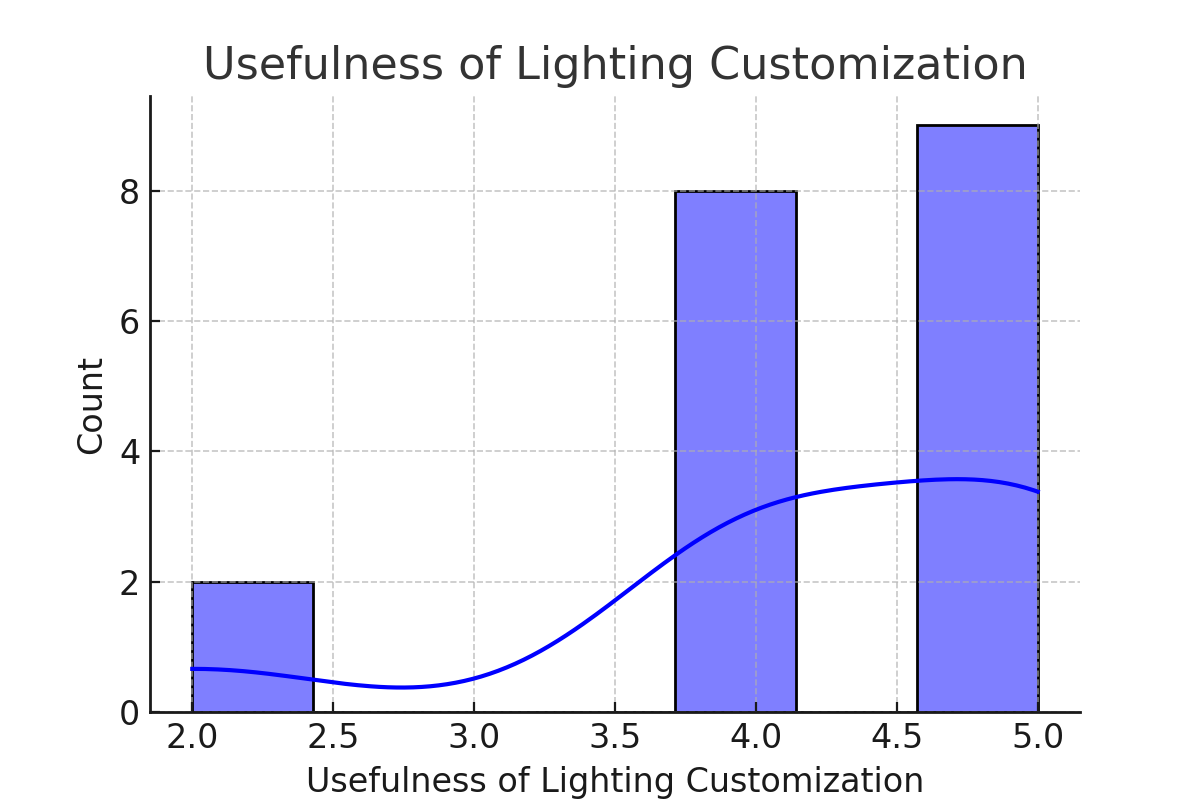
Participants generally valued the role of lighting in their daily routines (Figure 16(a)). Most expressed a strong preference for warm, dim lighting with moderate brightness, likely due to its calming and comforting effects (Figures 16(b) and 16(c)). Customizable lighting solutions were highly appreciated, as many users expressed a clear desire to adjust settings according to personal preferences (Figure 16(d)). Greater control over brightness and color temperature enhanced comfort and well-being, reinforcing the importance of adaptable, user-centered lighting in confined environments [14].
6.3 Evaluation of Current Lighting Conditions
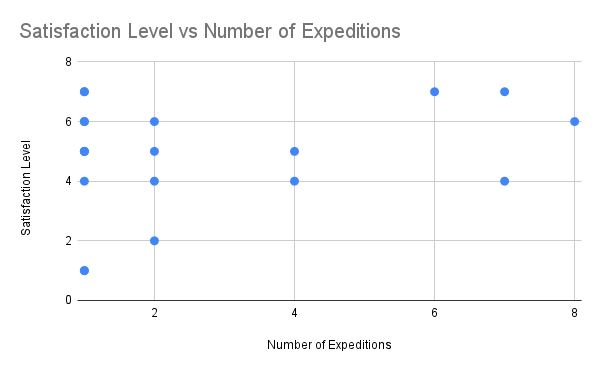
The current lighting conditions were generally functional but lacked adaptability and personalization. Repeated expeditions appeared to foster emotional investment, leading experienced participants to offer sharper critiques. People with multiple expeditions reported higher satisfaction but emphasized the need for AI-driven adaptability, while those with fewer than four missions showed more varied responses (Figure 17). This variability underscores the importance of personalized lighting solutions, where one-size-fits-all approaches fail to address individual preferences and requirements. Overall, the findings highlight the need for more dynamic, user-responsive lighting systems to enhance both performance and well-being in isolated environments.
6.4 Engagement with Colorful Lighting and Mood Effects
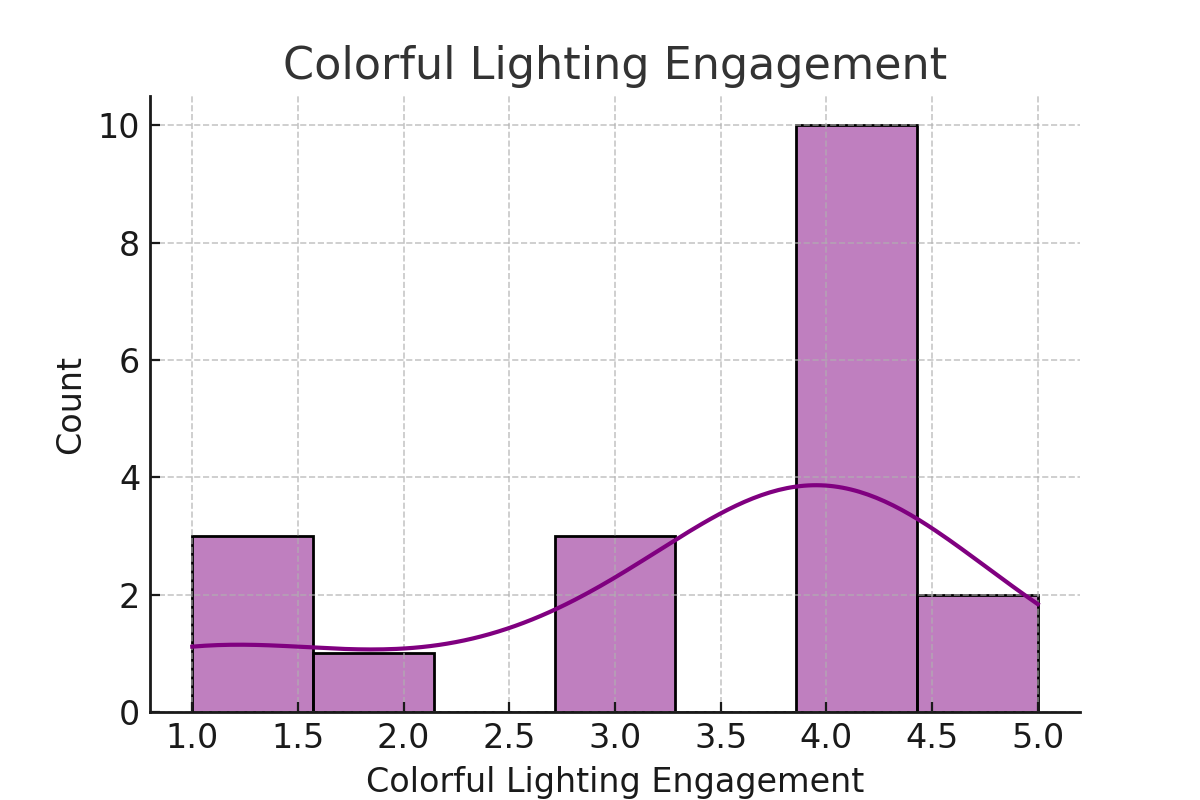
Engagement with colorful lighting received mixed responses (Figure 18(a)). While some participants found it helpful in breaking monotony, others did not find it engaging. People who valued colorful lighting tended to be more sensitive to isolation and relied on dynamic environments to support their well-being. In contrast, participants with technical or leadership roles, who prioritized functionality and stability, were less affected by environmental monotony and valued control over change.
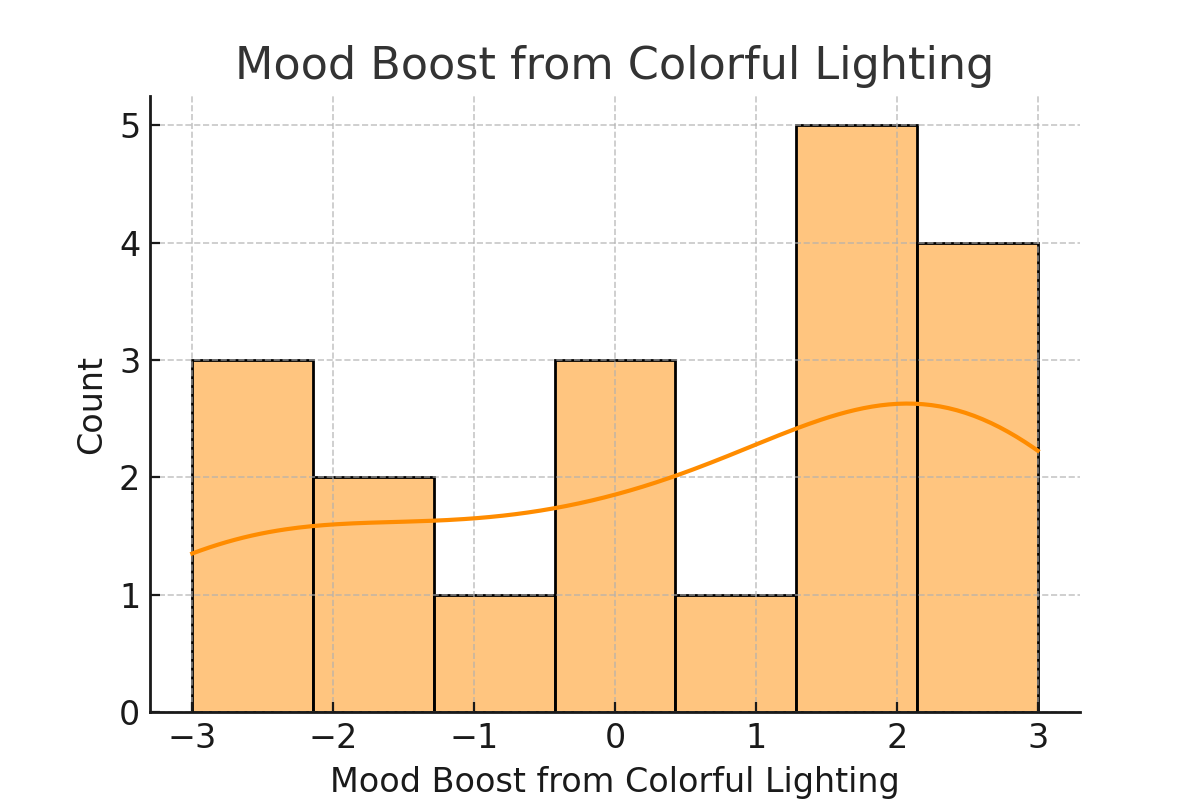
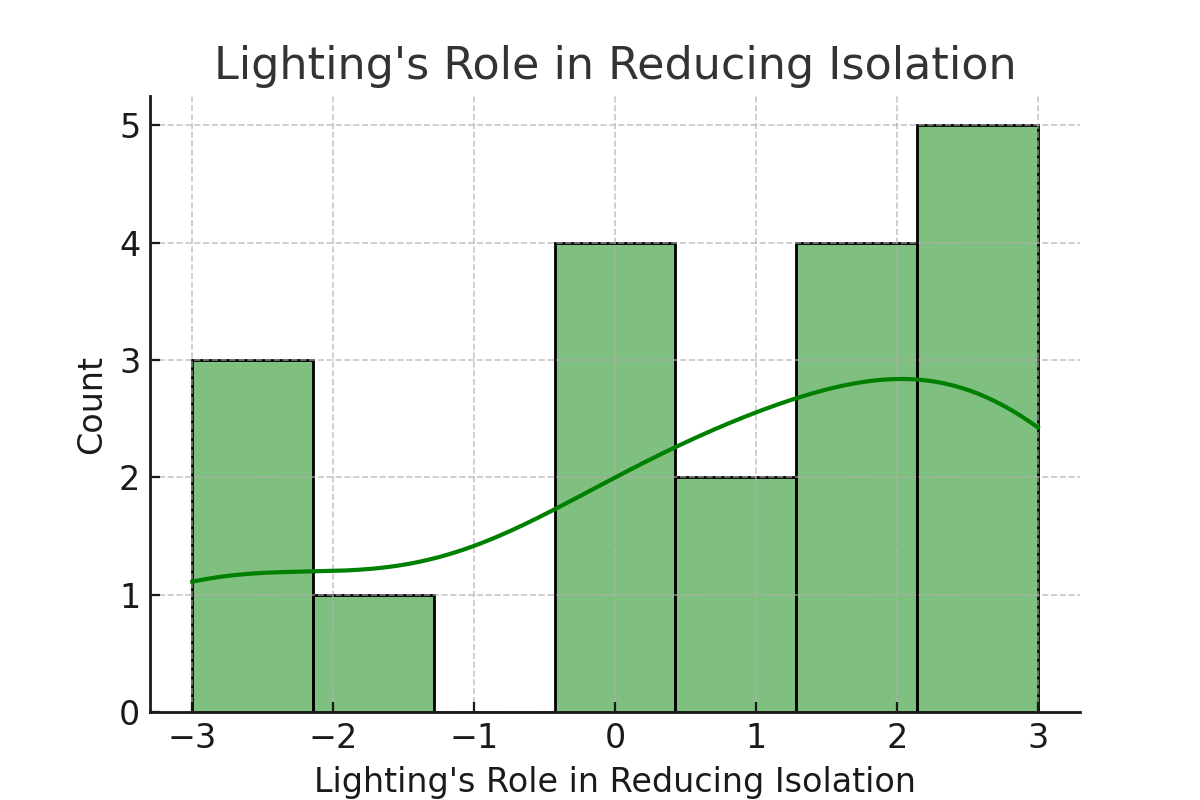
Overall, colorful lighting proved most effective in social settings or unexpected situations, but its mood-boosting effects were inconsistent, highlighting the need for adaptable, user-specific lighting strategies (Figure 18(b)). Participants strongly valued the ability to personalize their lighting environment, with many explicitly requesting customizable features to suit their individual needs (Figure 18(c)). Notably, the ability to customize lighting played a key role in reducing feelings of isolation, particularly among participants who spent extended periods indoors, reinforcing the importance of adaptable, user-centered lighting in confined environments (Figure 18(d)).
7 Qualitative Findings from the Experiential Phase: Researcher and Inhabitant Views
a. Uses of Colourful Lighting Prior to the Intervention
Before the implementation of the experimental lighting setup, the use of colorful lighting at the St. Kliment Ohridski Antarctic Base was limited but intentional, primarily associated with social events and festive occasions. These lighting choices were not part of a formal design strategy but emerged organically as responses to the need for psychological relief and atmospheric variation in an otherwise functionally lit environment.
One notable example was the use of a portable RGB “disco” lamp during special social events [3], first observed by the researcher on New Year’s Eve (Figure 14). This lamp was set up in the storage room of the machinery and storage hut – an open, empty space that posed minimal risk of interfering with scientific equipment or disturbing those resting in nearby quarters. Its temporary installation in this isolated location highlights the importance of minimizing disruptions while still providing opportunities for social engagement and mood enhancement through dynamic lighting.
Interestingly, the storage room is also the only space within the base that includes permanently installed colorful lighting. Five LED lamps are fixed along the walls – two blue, one red, one white, and one green – creating a vivid and playful lighting environment. Though the space serves a utilitarian function, its lighting makes it the most visually dynamic and playful area of the base, offering a stark contrast to the otherwise neutral and task-oriented lighting found throughout the station. This ambient shift further reinforces the room’s role as a preferred location for social events and recreational gatherings.
Another instance of colorful lighting was the use of string lights in the dining room (Figure 8a). Although initially installed as a seasonal decoration before the Christmas period, these lights remained in place well after the holidays due to their calming and atmospheric qualities. The string lights were eventually taken down on 18th January 2025. As the dining area is a central social space within the base, the continued presence of the soft, colorful lighting contributed to a more relaxed and inviting environment during communal meals and informal gatherings. Figure 7 provides a view of the dining room during evening hours, with the Christmas lights softly illuminating the space, adding warmth and informality to one of the base’s most frequently used communal areas.
These informal and user-driven lighting decisions reflect an intuitive understanding of the psychological impact of lighting in extreme and confined environments [5]. They also suggest a hypothesis: even in the absence of formal design interventions, base personnel instinctively gravitate toward lighting choices that provide emotional comfort, visual variety, and a sense of normalcy – elements later explored more systematically through the experimental phase of this study.
b. Experiential Phase During the Researcher’s Presence
b1. Use of the RGB Sunset LED Lamp in Casa España
The RGB Sunset LED lamp was introduced to Casa España by the researcher as part of the experimental exploration of ambient lighting in isolated and extreme environments. The house was inhabited by five individuals (the researcher included) – three residing on the upper floor and two on the ground floor. The lamp was installed by the researcher on the ground floor, positioned on the working table adjacent to the side wall (Figure 10b). This floor also served as the common area of the dwelling, used collectively by all inhabitants. The strategic placement of the lamp in this shared space, as opposed to the more private upper floor, allowed for broader access and communal use, reinforcing the lamp’s integration into the collective life of the house.
Although the lamp was primarily used by the researcher – especially at night before sleep – it was also used freely by the second ground floor inhabitant and occasionally by others residing on the upper floor. Despite the lamp’s wide range of RGB settings, the researcher intentionally limited its use to the “sunset colours” mode, without modifying hue or brightness throughout the experiment. This consistent use of warm, sunset-toned lighting maintained a stable visual and emotional atmosphere in the shared space.
The ground floor’s function as both a communal and transitional space made it a significant site for observing how ambient lighting could influence daily rhythms and shared perceptions in a confined, polar environment. The lamp, by virtue of its presence and strategic placement, became a subtle yet meaningful feature of the occupants’ routine in Casa España.
b2. Researcher’s Self-Reflection on Ambient Lighting
The initial intention behind the installation of the RGB Sunset LED lamp was to experiment with the effects of warm lighting as a countermeasure to the absence of night and the persistent exposure to white light – both from artificial sources and the prolonged Antarctic daylight [22]. However, the researcher observed that the impact of the lamp extended far beyond its initial experimental scope.
The constant daylight and sterile white lighting of the environment produced greater physical and cognitive fatigue than anticipated [12]. This continuous exposure made relaxation and sleep initiation increasingly difficult. In this context, the RGB Sunset LED lamp became a personal necessity. Not a single night passed without the researcher using the lamp, even briefly. On most evenings, it was also used during late working hours or for personal activities in Casa España, particularly in the late afternoon and nighttime periods. What began as a design-led intervention evolved into a daily coping mechanism [10]. The consistent, warm gradient of the light helped mark the transition from work to rest [2], simulating the sense of dusk in an environment devoid of natural nightfall.
This ritualistic use of the lamp was not only psychologically comforting but also seemed to reflect a broader experience shared by the other inhabitants. This hypothesis was subsequently tested through the Casa España Questionnaire, which the researcher distributed after removing the lamp from the house. The qualitative results of that survey, presented in the following section, offer further insight into the collective emotional and psychological responses to ambient lighting in extreme environments.
b3. Demographic Characteristics of Participants
The participant group comprised individuals with diverse professional backgrounds and varying degrees of Antarctic experience. The sample included primarily female participants, all of whom held roles as researchers in fields such as geology, seismology, architecture, and music. Ages ranged from 26 to 55 years, with the most common age bracket being 36–45. Experience in Antarctica varied notably, with time spent on the continent ranging from a single visit to as many as seven expeditions (Table 2). This diversity offers a multifaceted perspective on the perception of lighting conditions in St. Ohridski Base.
![[Uncaptioned image]](x3.jpg)
b4. Emotional and Psychological Responses: Casa España Questionnaire Analysis
The “Questions for the Inhabitants of Casa España” questionnaire was designed to explore the emotional, psychological, and experiential impact of colorful lighting administered at Casa España. The questionnaire aimed to assess how experimental lighting influences mood, well-being, and subjective perception in isolated and extreme environments. Consisting of eight open-ended and multiple-choice questions, the questionnaire focuses on first impressions, emotional resonance, and personal reflections elicited by the lighting installation.
Participants were asked to evaluate their initial reactions (Questions 1–2), the emotional and mental effects of the lighting (Questions 3–4), and their openness to adopting similar lighting solutions in future expeditions (Questions 5–6). The questionnaire also probes personal associations and memory recall (Question 7), and invites participants to summarize their experience using three descriptive words (Question 8). The responses of four inhabitants were analyzed thematically to extract common patterns and notable individual variations (Table 3).
![[Uncaptioned image]](x4.jpg)
First Impressions and Initial Reactions.
Participants expressed a range of first impressions. Two respondents described the lighting as surprising and enjoyable, while one noted it as “strange,” with a neutral to negative impression. One participant found the lighting immediately comforting. That suggests that colorful lighting produced an unexpected shift in environmental perception for most, though not all, inhabitants.
Participant 1 noted, “It surprised me and I really liked it,” highlighting the significance of surprise as a positive emotional trigger in monotonous environments. In settings where routine and sensory uniformity dominate – such as Antarctic bases or space habitats – this element of surprise can break the psychological inertia of monotony. Particularly in space environments, where external stimuli are minimal and the visual landscape remains unchanged, the capacity of dynamic lighting to introduce unexpected visual and emotional variation may serve as a low-tech yet powerful countermeasure to monotony-induced fatigue and psychological stagnation [5].
Notably, Participant 2 – who characterized the lighting as “strange” – had by far the most extensive experience in the base, having participated in seven expeditions and having previously resided in Casa España. In fact, she was the only participant who had previously inhabited this exact space, as Participant 4 (though also experienced) had stayed in different accommodations in the past mission. This background raises an intriguing question: does the “strangeness” she reported reflect a moment of a disorienting unfamiliarity within the familiar?
Emotional and Psychological Impact.
Three out of four participants reported a distinctly uplifting, relaxing, or mentally beneficial experience. This aligns with controlled experiments showing that low-illuminance, warm dynamic light environments foster lower stress and greater emotional well-being [13]. Participant 3 emphasized its function as a psychological “anchor” and social signal, noting that “if the lamp was on, someone was in Casa España, or someone cared enough to light it.” This echoes findings by Helliwell, as reported by Mikkel Bille and Tim Flohr Sørensen, who observed that the absence of light during her illness signaled distress to others, highlighting light’s role as an index of social and emotional presence [3]. The fourth participant reported no psychological benefit, highlighting individual variability in lighting perception.
Participant 1 remarked, “It was definitely nice to see warm colors after a whole day of monotonous landscapes,” referring specifically to the surrounding glaciers near the base. While these icy terrains are widely regarded as places of exceptional natural beauty, their predominantly grayscale color palette can quickly become visually monotonous when encountered daily. Notably, this participant was experiencing Antarctica for the first time and had been at the base for only one month during the study – underscoring how quickly environmental novelty can give way to perceptual habituation. This response illustrates the psychological value of warm, dynamic lighting as a counterbalance to sensory uniformity. It suggests that even awe-inspiring landscapes, when experienced under conditions of isolation and routine, may contribute to monotony. This further reinforces the need for atmospheric lighting design that introduces visual warmth and variation as a countermeasure to the grayscale Antarctic landscape to support mental stimulation and emotional well-being in extreme and confined environments [9, 5].
Future Use and Recommendations.
The majority of respondents indicated that they would use and recommend such lighting in future expeditions, recognizing its value in supporting mood and well-being. One participant was reluctant, reflecting differing preferences and the need for adaptable lighting strategies.
Memory and Personal Associations.
Several participants connected the lighting with memories of home, holiday seasons, or personal lighting habits, reinforcing the role of lighting in emotional memory recall. This associative effect may contribute to a sense of normalcy and continuity in unfamiliar environments.
Descriptive Summary.
Participants commonly described the experience with words such as “calm,” “warm,” “comforting,” and “relaxing.” These descriptors align with emotional relief, spatial warmth, and mental decompression. One participant expressed dissatisfaction using a more abstract phrase (“dark red circle”), indicating subjective variance in emotional interpretation.
Both Participant 3 and Participant 4 referred explicitly to the feeling of home when describing their experience with the colorful lighting in Casa España. Participant 3 noted that the warm, layered light felt “very familiar – almost like something I would have in my own home,” while Participant 4 stated simply, “I felt more relaxed and at home.” These responses highlight how sensory elements like lighting can powerfully evoke emotional memories and foster a sense of familiarity in otherwise unfamiliar and harsh environments like Antarctica [15].
This small but diverse participant group demonstrates the significant emotional and psychological impact that ambient, colorful lighting can have in isolated environments. For most, the lighting transformed the perception of space and offered moments of emotional grounding and social signaling. While individual preferences varied, the overall findings support the hypothesis that customizable, mood-responsive lighting can serve as a low-tech intervention to improve well-being in extreme, confined settings such as Antarctic bases – and potentially, future space habitats.
c. Uses of Colourful Lighting Following the Intervention
Following the departure of the researcher from the St. Kliment Ohridski Antarctic Base, follow-up documentation and photographic material provided by the base personnel revealed a notable continuation – and intensification – of the use of colorful lighting in daily life. The two portable lighting devices previously used in the experimental phase – the RGB Sunset LED lamp (left at the base by the researcher) and the RGB “disco” lamp (already available on-site) – were both regularly utilized after the conclusion of the formal study.
A key shift in lighting use occurred in the Blue Container, which, over time, was transformed by the inhabitants into an informal social space. Both portable lamps were used frequently in this area to create an atmosphere conducive to social interaction and relaxation (Figure 12b). Unlike the sporadic or event-based use of colorful lighting prior to the intervention, its use in the Blue Container became regular and intentional, serving as a tool for enhancing the emotional quality of routine communal gatherings.
Another notable development took place in the New Laboratory Building, which became fully operational following the completion of interior works. Occasionally, the space hosted small group gatherings aimed at entertainment and stress relief. These gatherings often included the use of entertainment equipment such as a ping-pong table and a foosball table. While the colorful lighting was not initially used during the gaming sessions themselves, it was frequently activated as participants remained in the space into the evening hours (Figure 15). Thus, the RGB lamps once again accompanied social and leisure activities, reinforcing their emerging association with emotional decompression and collective well-being.
Notably, the personnel actively chose to move the portable lamps between different buildings to support these gatherings. This behavior indicates a clear demand for flexible, transportable lighting elements capable of adapting to changing spatial and social contexts. It also suggests that the value of colorful lighting extended beyond festive decoration into a consistent strategy for improving group morale [10] and ambient comfort.
Overall, this post-intervention use reflects a shift in lighting culture within the base: colorful lighting was no longer reserved for rare, celebratory moments but became a recurring feature of everyday socialization [10, 3]. This evolution supports the hypothesis that once introduced, non-traditional lighting solutions can organically become embedded in communal life, meeting psychological and emotional needs in confined, isolated environments [10].
8 Suggestions & Improvements
Participants in the first phase of the study suggested several improvements to enhance lighting conditions across the base. Many emphasized the need for better task lighting, calling for brighter, more focused illumination at workstations and during scientific activities, rather than relying solely on diffuse ambient light. Softer, warmer lighting in the evening was also recommended to promote relaxation and facilitate rest. Additionally, improved daylight simulation was proposed as a way to support circadian rhythm regulation and healthier sleep-wake cycles. Several participants highlighted the importance of integrating energy-efficient lighting solutions to align with broader sustainability goals. Finally, there was a widespread desire for user control over lighting – specifically through dimming features and adjustable color temperatures – allowing users to tailor the environment to specific tasks or personal comfort.
In the second phase of the study, which focused on the emotional and experiential impact of colourful lighting in Casa España, suggestions centered on adaptability and personalization. The importance of cultivating a sense of home in such settings cannot be overstated – it serves as a buffer against the psychological effects of isolation and monotony, promotes evening relaxation by creating a soothing atmosphere, and supports emotional regulation and resilience [7, 16]. Especially in environments with extreme daylight cycles and limited personal space, designing spaces that create emotional experiences [26] that evoke warmth, comfort, and homeliness can significantly ease adaptation and contribute to overall mental well-being.
While most participants reported positive emotional effects, such as increased relaxation, improved mood, and associations with home or leisure, the diversity of responses underscored the need for customizable lighting strategies that accommodate varying individual preferences. Additionally, post-intervention observations revealed a strong user-driven demand for portable, flexible lighting systems that could be relocated and repurposed across different social settings. These findings point to the importance of designing lighting not only for functional use but also as a dynamic emotional and social tool within isolated, communal environments [14].
9 Conclusions
The findings capture qualitative insights into what works well and actionable recommendations for lighting design improvements. They directly contribute to space exploration by providing actionable insights for creating resilient, adaptable lighting systems that prioritize astronaut well-being and operational efficiency in confined, isolated habitats like Mars bases or lunar stations [19]. This case study aims to bridge the gap between technical lighting systems and human experience, informing the development of intelligent, user-adaptive lighting for space analogues, polar missions, and long-duration extraterrestrial exploration.
a. Lessons Learned and Proposed Lighting Design Strategies
Findings from the Antarctic base study highlight the critical importance of customization in lighting design, particularly in extreme, confined environments. Participants consistently valued the ability to adjust brightness and color settings, emphasizing how such control enhanced emotional comfort and personal well-being. To address these challenges and support both well-being and operational efficiency, we propose a multi-layered, human-centered lighting strategy for use in environments like Antarctic stations and space analogues. Lighting systems should integrate functional, circadian, and mood-enhancing components [13] to meet varying emotional and cognitive needs throughout the day [5, 2]. Research confirms that nuanced combinations of illuminance and color temperature – especially when adapted to user preference – play a crucial role in emotional regulation and stress reduction [13]. In task-oriented areas, lighting must prioritize individual control, glare reduction, and directional adjustability, promoting visual comfort and minimizing stress during focused activities. Additionally, many participants called for better simulation of natural light cycles and more responsive lighting schemes, reflecting an awareness of circadian rhythms’ long-term impact on health. Addressing these needs requires lighting systems that go beyond simple presets.
b. Colourful Lighting and Subjective Experience: Insights for Adaptive Design
The feedback on colourful lighting revealed a clear divergence in user preferences – some participants found it engaging and emotionally supportive, while others expressed a preference for more natural or neutral lighting conditions. Colorful lighting is beneficial for some; while not universally preferred, those who enjoy it also emphasize the importance of being able to customize their environment. For these users, the option to adjust lighting according to personal mood or activity contributed significantly to emotional comfort and a sense of control [25] within an otherwise rigid setting [5]. This finding reinforces the necessity for sensponsive lighting systems, which accommodate subjectivity by enabling real-time customization based on user behavior, preferences, and context [17]. By recognizing and adapting to individual differences, sensponsive design provides a resilient framework for improving well-being through personalized lighting strategies in challenging environments where sensory input is limited and highly impactful [18].
c. Social Spaces and the Feeling of Home
The Dining Hall emerged as a central node for communal well-being. Its combination of generous daylight, warm materials, and layered artificial lighting – including decorative string lights – created the only space perceived as “home-like” and emotionally comfortable. The presence of lighting scenarios (e.g., cozy evening ambiance) was subtle but powerful, reinforcing that social spaces benefit most from “home-like” [7, 16], atmospheric lighting that creates different emotional experiences [26] rather than purely functional setups. This distinction also points to a broader design need: social and workspaces should have different lighting atmospheres to support both focused tasks and mood enhancement. Task-oriented areas require clarity and concentration, while social spaces thrive with lighting that fosters warmth, relaxation, and informal interaction. This highlights the importance of designing common areas that prioritize emotional comfort, with lighting that supports the informal, restorative, and social functions of these spaces [3] – crucial in both Antarctic and space environments.
d. Novelty and Hypotheses for Further Investigation
The novelty of this study lies in its focus on user-driven adaptations and emotional responses to ambient lighting in a polar base, drawing parallels with future space habitat design. Our findings support the hypothesis that lighting plays a subconscious yet powerful role in emotional regulation, spatial identity, and social behaviour in isolated settings. This opens a valuable research direction: the integration of AI-powered sensponsive lighting systems in space analogues – systems that learn from behavioural patterns and adapt in real-time to emotional and contextual cues. These would go beyond circadian support to enable true personalization and dynamic atmosphere modulation, even in standardized environments.
References
- [1] C. Balomenaki, I. Chrysochoou, A. Tsilia, K. Biniakou, and K. A. Oungrinis. Proposition for modular space habitat. In 35th IAA Symposium on Space and Society, International Astronautical Federation (IAF), 2024.
- [2] R. A. Baron, M. S. Rea, and S. G. Daniels. Effects of indoor lighting (illuminance and spectral distribution) on the performance of cognitive tasks and interpersonal behaviors: The potential mediating role of positive affect. Motivation and Emotion, 16(1):1–33, 1992. doi:10.1007/BF00996485.
- [3] M. Bille and T. F. Sørensen. An anthropology of luminosity: The agency of light. Journal of Material Culture, 12(3):263–284, 2007. doi:10.1177/1359183507081894.
- [4] B. Bluth. Social and psychological problems of extended space missions. In International Meeting and Technical Display on Global Technology, page 826, Baltimore, Maryland, USA, 1980.
- [5] C. Caballero-Arce, A. Vigil de Insausti, and J. Benlloch Marco. Lighting of space habitats: Influence of color temperature on a crew’s physical and mental health. In 42nd International Conference on Environmental Systems, San Diego, California, 2012. AIAA 2012-3615.
- [6] ESA Commercialization Gateway. Saga’s circadian light: Revolutionizing astronauts’ sleep in space, 2023. Accessed: April 2025. URL: https://commercialisation.esa.int/2023/07/sagas-circadian-light-revolutionising-astronauts-sleep-in-space/.
- [7] G. W. Evans, D. Stokols, and S. Carrere. Human adaptation to isolated and confined environments. Technical Report NASA-CR-181502, National Aeronautics and Space Administration, 1987.
- [8] A. Jiang, X. Yao, I. L. Schlacht, G. Musso, T. Tang, and S. Westland. Habitability study on space station color design. In International Conference on Applied Human Factors and Ergonomics, pages 507–514. Springer, Cham, 2020.
- [9] Ao Jiang, Irene Lia Schlacht, Xiang Yao, Bernard Foing, Zhixiong Fang, Stephen Westland, Caroline Hemingray, and Wenhao Yao. Space habitat astronautics: Multicolour lighting psychology in a 7-day simulated habitat. Space Science Technology, pages 507–514, 2022. doi:10.34133/2022/9782706.
- [10] O. Kombeiz, A. Steidle, and E. Dietl. View it in a different light: Mediated and moderated effects of dim warm light on collaborative conflict resolution. Journal of Environmental Psychology, 51:270–283, 2017.
- [11] A. Kowalska. Orpheus-11 mission: Life in lunares, 2023. Accessed: April 2025. URL: https://alicja.space.
- [12] M. J. Leone, R. Aguilar-Roblero, D. A. Golombek, et al. Individual light history matters to deal with the antarctic summer. Scientific Reports, 13:Article 12212, 2023. doi:10.1038/s41598-023-39315-y.
- [13] Ö. Karaman Madan, K. Chamilothori, M. P. J. Aarts, J. van Duijnhoven, and Y. A. W. Kort. Light in motion—effects of dynamic and static light patterns from nature on subjective and physiological stress. Building and Environment, 250:110123, 2025. doi:10.1016/j.buildenv.2024.110123.
- [14] G. R. Newsham and J. A. Veitch. Lighting quality recommendations for vdt offices: A new method of derivation. Lighting Research and Technology, 33(2):97–134, 2001. doi:10.1177/136578280103300205.
- [15] M. Nicolas, G. Martinent, P. Suedfeld, L. A. Palinkas, C. Bachelard, and M. Gaudino. The tougher the environment, the harder the adaptation? a psychological point of view in extreme situations. Acta Astronautica, 187:36–42, 2021. doi:10.1016/j.actaastro.2021.05.045.
- [16] M. Nicolas, P. Suedfeld, K. Weiss, and M. Gaudino. Affective, social, and cognitive outcomes during a 1-year wintering in concordia. Environment and Behavior, 48(8):1073–1091, 2016. doi:10.1177/0013916515583551.
- [17] K.-A. Oungrinis and S. Kokkalis. Dynamic building program: A new method to produce building programs with the implementation of time-relevant factors. In Proceedings of the International Conference on Adaptation and Movement in Architecture (ICAMA2013), pages 34–43, Ryerson University, Toronto, 2013.
- [18] K.-A. Oungrinis and M. Liapi. Spatial elements imbued with cognition: A possible step toward the “architecture machine”. International Journal of Architectural Computing, 12(4):419–438, 2014.
- [19] K.-A. Oungrinis, M. Liapi, E. Gkologkina, A. Kelesidi, D. Linaraki, M. Paschidi, L. Gargalis, A. Klothakis, and D. Mairopoulos. Intelligent spacecraft modules: Employing user-centered architecture with adaptable technology for the design of habitable interiors in long-term missions. In 64th International Astronautical Congress, Beijing, China, 2013.
- [20] K.-A. Oungrinis, M. Liapi, A. Kelesidi, L. Gargalis, M. Telo, S. Ntzoufras, and M. Paschidi. Intelligent spacecraft module. Acta Astronautica, 105(1):242–253, 2014. URL: https://tuctielab.com/#/intelligent-spacecraft-module.
- [21] K.-A. Oungrinis, M. Liapi, and D. Mairopoulos. From analog, to digital, to analog, to… the seamless process of monitoring, understanding and affecting spatial arrangements in a responsive experiment called "spirit|ghost". In EAAE/ENHSA International Conference: Scalelessseamless. Transactions on Architectural Education No 59, pages 197–207, Thessaloniki, 2012. Charis Ltd. URL: https://tuctielab.com/spirit-ghost.
- [22] C. L. Parkinson. Antarctic summer sea ice trend in the context of high-latitude climate variability. Journal of Climate, 31(10):3909–3920, 2018. doi:10.1175/JCLI-D-17-0739.1.
- [23] I. L. Schlacht, S. Brambillasca, and H. Birke. Color perception in microgravity conditions: the results of cromos parabolic flight experiment. Microgravity Science and Technology, 21(1–2):21–30, 2009.
- [24] P. Stantcheva. Case study 75-1: Post-expedition observations and reflections on the return from st. kliment ohridski base, 2020. Accessed: May 2025. URL: https://www.ps-architects.com/en/case-studies/case-study-75-1.
- [25] A. M. Velentza, A. Nikitakis, K. Oungrinis, and E. Economou. Transformable lighting conditions in learning vr environments. In IEEE, 2019. doi:10.1109/ICLLE.2019.001.
- [26] X. Xie, J. Cai, H. Fang, X. Tang, and T. Yamanaka. Effects of colored lights on an individual’s affective impressions in the observation process. Frontiers in Psychology, 13:938636, 2022. doi:10.3389/fpsyg.2022.938636.