Design as an Astronaut: An XR/VR Experience of the Argonaut Habitat Unit
 Cody Paige
Tommy Nilsson
Joseph Paradiso
Marta Rossi
Leonie Bensch
Dava Newman
Aidan Cowley
Cody Paige
Tommy Nilsson
Joseph Paradiso
Marta Rossi
Leonie Bensch
Dava Newman
Aidan Cowley
Abstract
This research explores the conceptual design of a lunar habitat integrated with the Argonaut lander, an autonomous lunar landing vehicle currently under development by an international consortium led by the European Space Agency (ESA). As Europe’s first lunar lander, Argonaut was conceived to provide ESA and relevant European stakeholders with independent access to the Moon. Although the lander is primarily designed to transport various types of cargo to the lunar surface, this study proposes its adaptation as a platform for future human habitation: the Argonaut Habitat Unit. The project is the result of an international collaboration between ESA, the MIT Media Lab, and Politecnico di Milano. Drawing on a wide range of methodological approaches, this paper reflects on key aspects of the concept, including its synergy with the existing Argonaut project, algorithmic modeling of a lunar habitat, consideration of technical requirements, and interior design development. The project addresses the spatial, material, and environmental constraints of lunar habitation through a combination of three-dimensional modeling software, computational design tools, and virtual reality (VR) development environments. The integration of VR offers an immersive understanding of the proposed habitat, enabling a first-hand experience of its spatial qualities. This approach supports both the evaluation and refinement of the design, enhancing its livability and practical feasibility.
Keywords and phrases:
Argonaut, Lunar Habitat, Virtual Reality, Extended Reality Computational DesignCopyright and License:
![[Uncaptioned image]](x1.png) © Valentina Sumini, Cody Paige, Tommy Nilsson, Joseph Paradiso, Marta Rossi, Leonie Bensch, Ardacan Özvanlıgil, Deniz Gemici, Dava Newman, Gui Trotti, Aidan Cowley, and Lionel Ferra; licensed under Creative Commons License CC-BY 4.0
© Valentina Sumini, Cody Paige, Tommy Nilsson, Joseph Paradiso, Marta Rossi, Leonie Bensch, Ardacan Özvanlıgil, Deniz Gemici, Dava Newman, Gui Trotti, Aidan Cowley, and Lionel Ferra; licensed under Creative Commons License CC-BY 4.0
2012 ACM Subject Classification:
Human-centered computing Visualization design and evaluation methodsAcknowledgements:
The authors would like to thank the MIT Space Exploration Initiative, MIT Media Lab, ESA European Astronaut Centre, ESA XR Lab, Politecnico di Milano, Politecnico di Torino, and the German Aerospace Center (DLR) for their support and collaboration. The authors are grateful to the 19th International Architecture Exhibition – *Intelligens. Natural. Artificial. Collective.* – curated by Carlo Ratti and organized by La Biennale di Venezia, for the invitation to exhibit this research.Editors:
Leonie Bensch, Tommy Nilsson, Martin Nisser, Pat Pataranutaporn, Albrecht Schmidt, and Valentina SuminiSeries and Publisher:
 Open Access Series in Informatics, Schloss Dagstuhl – Leibniz-Zentrum für Informatik
1 Introduction
The name “Argonaut” continues the tradition of naming lunar missions after characters from Greek mythology, following in the footsteps of the Apollo and Artemis programs. The Argonauts were the brave sailors who ventured with Jason on his legendary quest to retrieve the golden fleece. In this tradition, each forthcoming mission of the Argonaut lunar landing vehicle (Fig. 1) will carry the name of a different mythical Argonaut, celebrating their adventurous spirit.
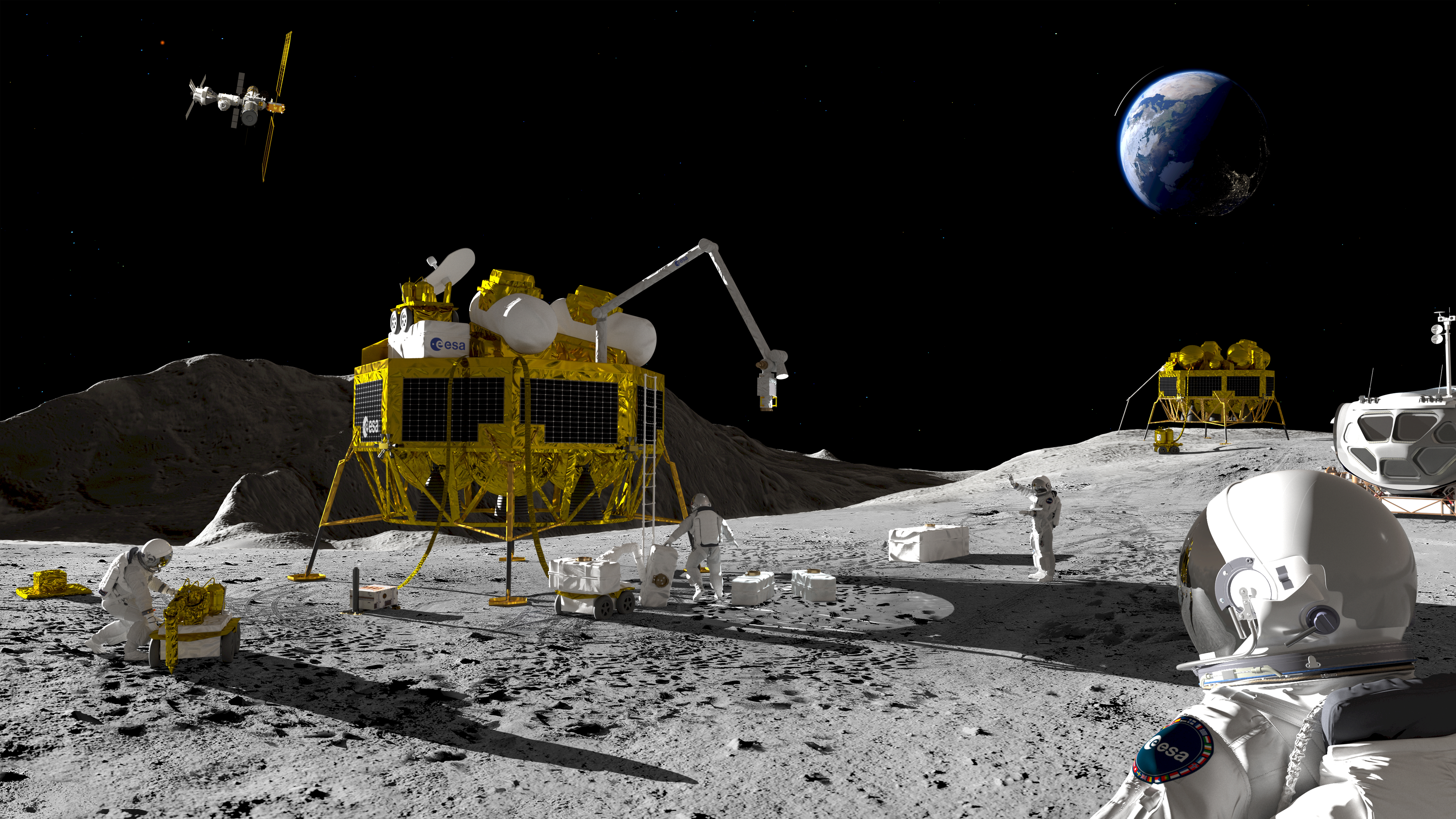
Argonaut has been designed to ensure reliable transport of cargo supplies and other payloads to the lunar surface. Although still in the design phase, current concepts envision the lader to be approximately 2.8 meters tall, with an octagonal cargo deck of approximately 14 m² on its upper surface [15]. Once operational, the Argonaut is expected to serve as a cornerstone of Europe’s roadmap for sustainable human lunar exploration [8, 2]. The initial launch of the Argonaut lander is planned for approximately 2029, pending further mission development [19]. Each Argonaut mission will follow a carefully calculated 5-day transfer orbit to optimize energy usage [13]. Upon descent and landing, the Argonaut will serve as a platform to facilitate a range of activities, such as science and exploration, technology demonstration, power generation and distribution, and in situ resource utilization [7].
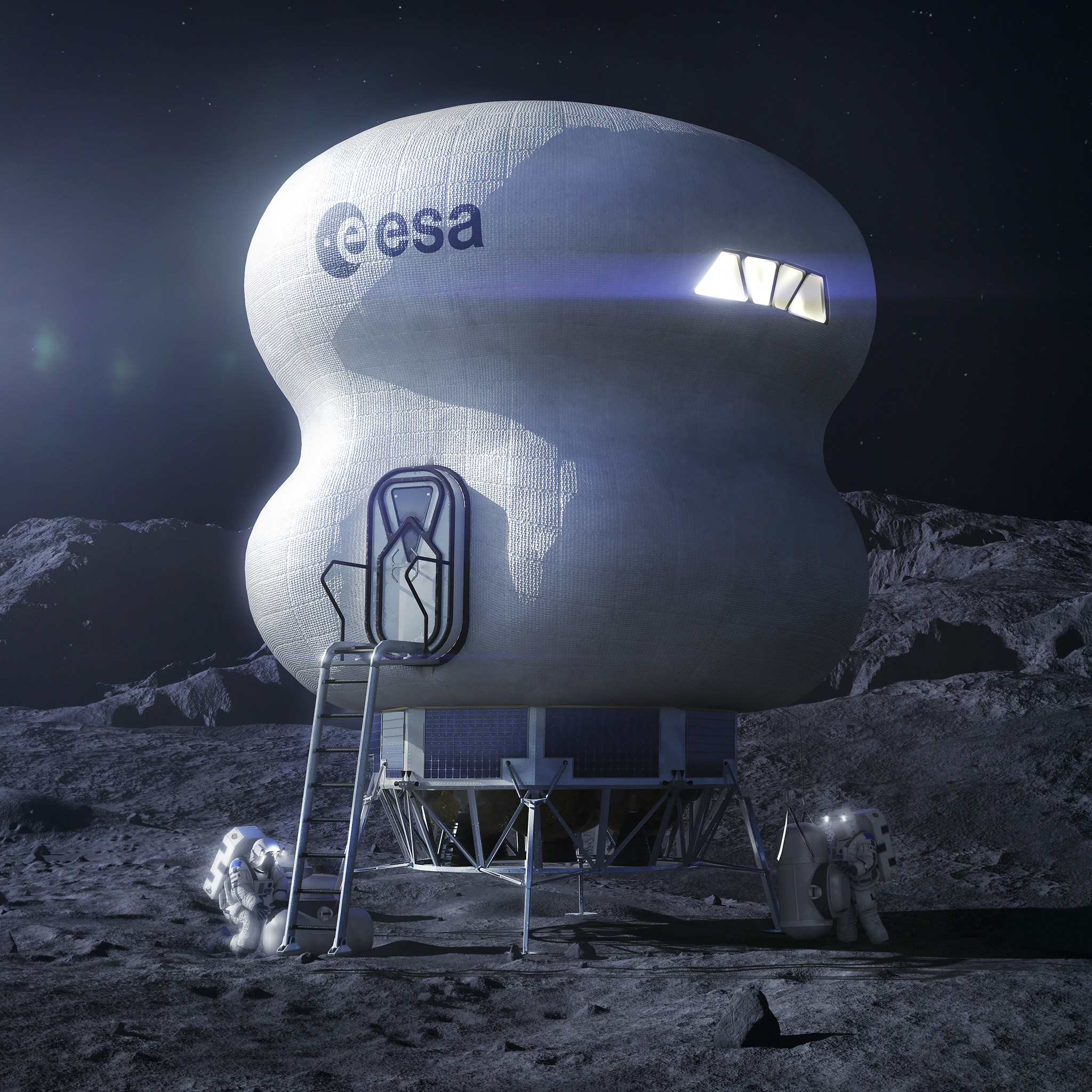
This paper proposes to further expand the Argonaut’s scope of use by repurposing its landing body as the foundation for a habitable lunar module. The resulting Argonaut Habitat Unit (AHU) is designed to support a crew of two astronauts for a baseline mission duration of 14 days, with the flexibility to extend up to 4 weeks.
Although the exact landing sites of upcoming Argonaut missions have not yet been determined, the objective is to develop a system that can be deployed anywhere on the Moon, providing a versatile platform for short-term – and potentially medium to long duration missions with additional radiation shielding through In Situ Resources Utilization (ISRU), as current protection is limited to approximately four weeks – lunar exploration and habitation. [7].
2 The Argonaut Habitat Unit
This section presents the proposed integration between the Argonaut lander and the AHU, detailing how the habitable module has been conceived and designed through the integration of computational design methods and XR/VR tools within the overall development process. (Fig. 2).
2.1 Computational Design Strategy
The habitat design was developed by combining three-dimensional direct modeling with computational design tools [25]. Grasshopper, a visual algorithm editor integrated with Rhinoceros 3D, was used – along with various plugins – to carry out the form-finding process and structural analysis of the inflatable shell. Rhinoceros 3D was also employed to model the interior spaces of the habitat [23].
Starting from the shape of the Argonaut lander, which provides an octagonal base for the habitat, the initial internal layout was conceived by adapting the shape and distribution of the rooms to fit within the octagon. Due to the limited dimensions of the Argonaut base, which is approximately 4,5 meters in diameter, the design concept includes two levels to accommodate all the functions required to support two astronauts during a four-week mission. This initial design phase allowed for the definition of rough spatial volumes, including a central circulation space connecting the two levels. This information served as the basis for the form-finding process.
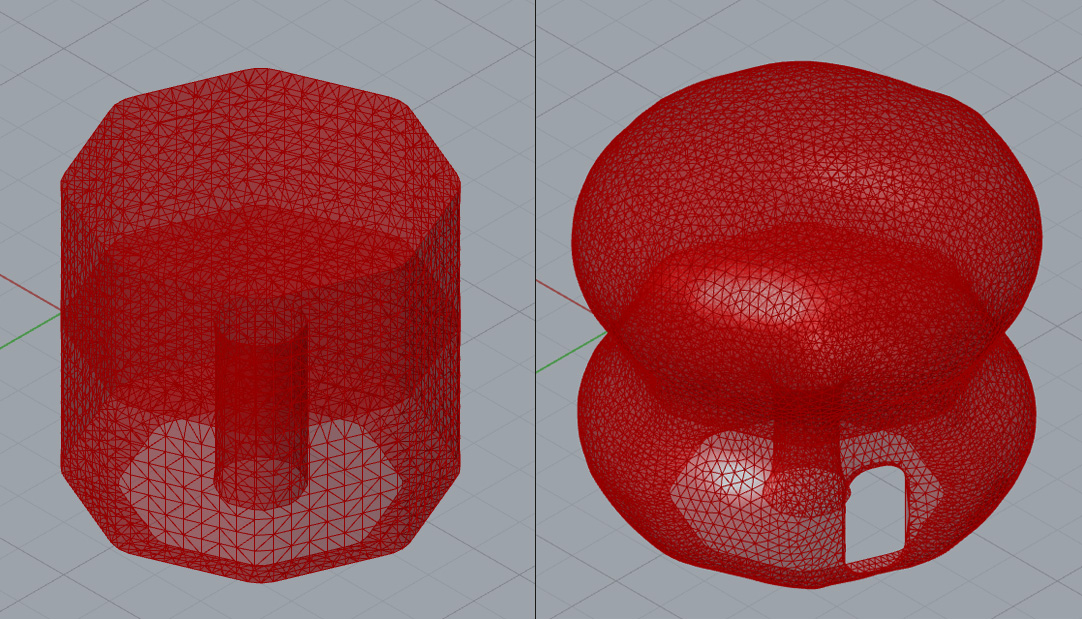
Thanks to the effective interoperability between Rhinoceros and Grasshopper, data from the 3D model was imported into the Grasshopper scripting environment. This included the perimeter of the Argonaut base, the surfaces representing the room volumes, the airlock position and shape, the baseline of the central connecting element, and the perimeter of the first floor. The perimeter of the base, the perimeters of the floor and ceiling of the first level, and the points of the airlock were used to define anchor points for the form-finding analysis, allowing the inflated shell to follow the shape of the previously defined volume. The surface representing the room’s volume served as a base for creating the mesh that would later be inflated.
Once the data was collected and organized, the form-finding process began. This was carried out using Kangaroo Physics, a live physics engine for interactive simulation, form-finding, optimization, and constraint solving, integrated within the Grasshopper environment. Additionally, Weaverbird, a plugin for mesh manipulation, was used to refine the geometry.
(Fig. 3).
2.2 Structural analysis
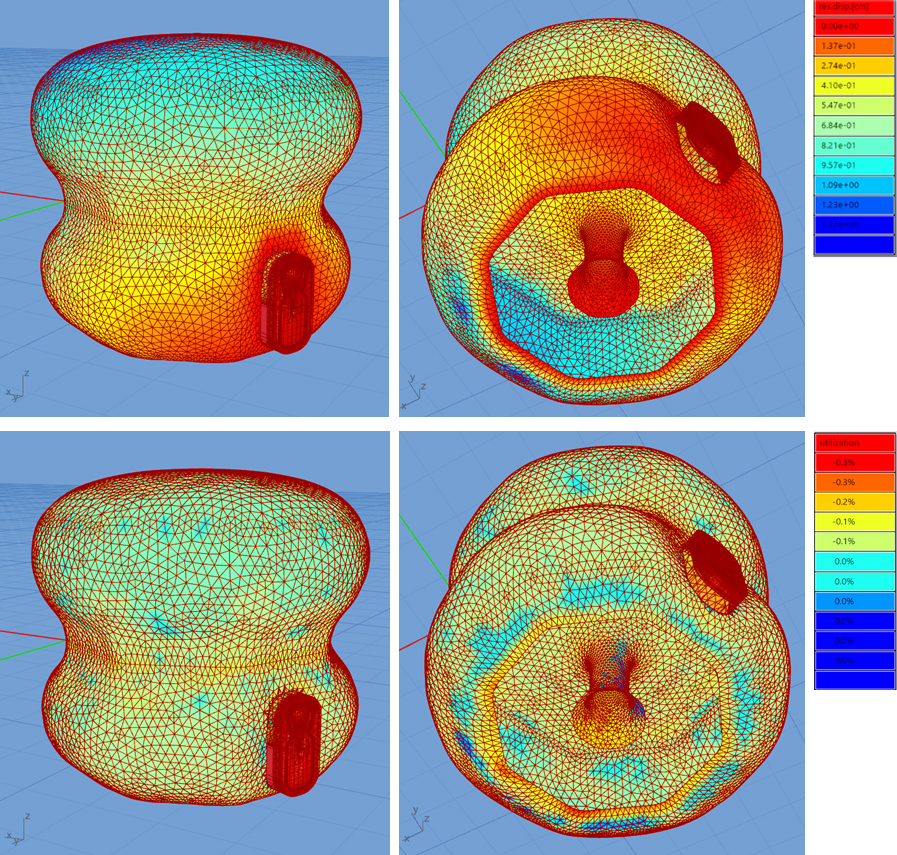
After the form-finding process of the AHU, the mesh was structurally evaluated through finite element method (FEM) analysis using Karamba 3D. Kevlar was considered the primary structural membrane for the outer shell. The resulting homogeneous stress distribution confirmed the feasibility of maintaining internal pressurization at 1 atmosphere under lunar conditions, accounting for the Moon’s reduced gravity (1/6 g), appropriate safety factors, and fixed geometric constraints such as the airlock and the structural perimeter. The analysis was based on applied loads corresponding to internal pressurization and lunar gravity, with a Kevlar layer thickness of about 5 mm. The inflation and structural evaluation were conducted using Kangaroo Physics and Karamba 3D. Ultimately, the shell structure was designed with a total thickness of 30 cm to incorporate radiation shielding layers, envisioned to be achieved using a mycelium-based infill material that could potentially be grown directly in situ. (Fig. 4).
2.3 Materials
The material selection for this design was crucial to meet the constraints of the mission. The Argonaut lander has a payload capacity of 1,800 kg [13]; therefore, the materials chosen for both the external shell and interior elements were required to be extremely lightweight to facilitate integration with the lander.
The lunar environment presents challenges that can be addressed through an informed material selection process. The Moon’s surface is exposed to high levels of radiation, including GCR (Galactic Cosmic Rays) and SPE (Solar Particle Events) [9]. Consequently, the design must incorporate materials capable of reducing radiation exposure within the habitat, ensuring the safety of astronauts.
The main materials selected for the inflatable shell were mycelium and a lightweight multilayer membrane. The membrane forms both the outer and inner layers of the shell, with the mycelium growing in between. The membrane is composed of multiple materials that address the various hazards of the lunar environment as well as structural requirements. It protects against micrometeoroid impacts and extreme temperature fluctuations, provides structural stability, and ensures gas impermeability. The material composition of the membrane proposed for the AHU builds on previous studies of inflatable space habitats for the Moon and Mars, which explored novel combinations of materials to create lightweight and resilient inflatable structures. [20] [21].
This membrane has been integrated with mycelium which was selected due to its low weight, favorable strength-to-weight ratio, and its potential ability to shield against radiation [22]. Together, these materials provide a lightweight, strong, and radiation-resistant structure, capable of sustaining human life for the planned mission duration.
The interior design followed the same lightweight principle to comply with the Argonaut’s payload requirements. Carbon fiber was selected for all interior elements – walls, ceilings, doors, and furniture due to its lightweight and versatility [5].
2.4 Interior design
This proposal introduces an inflatable module integrated with the Argonaut lander, forming a two-level lunar habitat. The design addresses both the operational and residential needs of astronauts during lunar missions. Its spatially efficient and modular layout ensures both functionality and comfort.[1].
The interior design of the envisioned AHU was structured along two separate levels (Fig. 5), which are both designed considering existing research and contemporary building practices in space architecture. Its purpose was to optimize for the physical, functional, and psychological requirements of the astronauts during isolated and confined missions in extreme environments.

Level 1 (Fig. 5) covers research, treatment, and operational functions. This level of the inflatable habitat is organized to address all operational needs on a day-to-day basis [1]. The spatial program sequence begins with an airlock designed for extravehicular activity (EVA) preparations, occupying a total area of 6.3 m², followed by a 2.9 m² EVA control room. The route continues into a 4.4 m² working zone, serving as a flexible workspace for ongoing technical and logistical tasks [1]. Next to the workspace, there is a medical room which covers an area of 4.4 m²; this can be used for in-situ health monitoring and minor treatments and it is equipped with communication systems to ensure direct contact between the crew members and doctors on Earth. Adjacent to the medical space, there is a 6.0 m² laboratory space that contains a suit port access, life support systems, and a scientific research corner with sample storage and scientific instrumentation.
At the center of this level, a mushroom-shaped vertical circulation shaft connects Level 1 and Level 2. Its semi-transparent enclosure and distinctive form serve a dual purpose: facilitating movement between levels and functioning as a daylight shaft, supporting the regulation of astronauts’ circadian rhythms through integrated LED lighting.
Level 2 (Fig. 5) focuses on living and psychological well-being. This level is designed for comfort, recovery, and socialization purposes. At its center there is an 11.6 m² dining and recreation zone, designed as a leisure space in which astronauts can eat, relax, and socialize. At the top center of this space, there is a net that can be hung like a hammock thus increasing the playfulness of the space while providing an alternative relaxing area. Two corridors of this space reach personal and private spaces (each 2.9 m²) that offer a place to sleep, exercise, work, or be alone. Although compact, each private quarter meets contemporary habitat standards, with a particular emphasis on supporting mental health in confined environments. These small rooms are vital to the daily routine of the occupant’s life, with efficiency, sanitation, and privacy provided. On one side of the corridor, there is a 1.5 m² hygiene space with a shared toilet, and on the other side, there is a flexible storage and plant growing space with modular racks.
In order to optimize the inflated form, the intermediate space between the organic outer shell and the flat interior walls has been utilized for water storage, modular equipment storage, support systems for the outer shell, and waste management. In this way, the volumes required for interior functions have been relocated into this in-between volume.
Design decisions and spatial distribution were guided by integrated references and human factors, drawing from internal layout models of the lunar habitat project developed by Burke, Howard, and Kessler [1], as well as the Moon Village concept designed by ESA, SOM, and MIT [11], which offers valuable insights into crew operations and behavioral health. The sight of the lunar surface is expected to be a significant consideration in sustaining astronauts’ mental health over long periods of isolation. Inspiration is also drawn from terrestrial projects like the Copenhagen Metro Station by GXN [10], where daylight, clarity of space, and calm material palettes are strategically used to reduce psychological stress in underground environments.
Lighting strategy
The shapes generated in the habitat were intended to fulfill both physiological and psychological needs. A strategically placed window in the kitchen and relaxation area offers astronauts a view of the lunar surface and, when possible, the Earthrise from the South Pole – an iconic visual that can evoke the Overview Effect and strengthen emotional connection to Earth. Additionally, a central skylight in the ceiling of the second floor provides another viewpoint of the external environment, enhancing spatial orientation and supporting psychological well-being. (Fig. 6).

Due to the limited availability of natural daylight during lunar missions, artificial lighting becomes essential – especially in replicating circadian rhythms in a diffuse and seamless way, such as through ambient lighting. Adjustable LED systems are integrated within the triangular textile wall panels, allowing modulation of brightness and color temperature at specific times of day. This setup simulates Earth’s natural light cycles, helping astronauts maintain healthy sleep patterns and emotional stability. Beyond that, the lighting can be personalized – with calming blue tones to enhance focus and warmer hues to promote relaxation – enabling astronauts to adapt the atmosphere to suit their tasks or moods. These subtle environmental shifts can make a crucial positive difference, particularly during long-duration missions in extreme conditions.[24].
3 Immersive and multi-sensory co-design experiences and environments
3.1 VR and XR
The integration of computational design into the project enabled its extension into XR environments, thanks to an algorithmic-based approach in Grasshopper. This virtual environment was designed to explore and evaluate key aspects of habitability, placing a strong emphasis on human factors and ergonomics. The use of additional design tools, such as Cinema 4D and Substance Painter (Fig. 7, 8, 9), allowed for a relatively fast and efficient translation of the complete design concept into high-fidelity interactive VR simulations. Such simulations have a long-standing track record of supporting visualization and collaborative assessments of human–environment interactions and building performance in both architectural research and practice [12].
The flexibility, and affordability of these simulations lend themselves particularly well to the space exploration domain, where physical prototype construction is oftentimes slow and resource-intensive, and replicating the extreme conditions of space habitation can prove hazardous or impractical in real-world settings. Conversely, the use of VR enables efficient interactive visualization of prospective design solutions and their operation under key lunar environmental conditions, such as hypogravity and unique illumination, providing a means for early-stage feasibility studies. Indeed, ESA’s initial VR-based evaluations of the Argonaut lander have already produced meaningful insights, including optimal placement strategies for solar panels and safety railings [15].
To situate our simulated Argonaut Habitat Unit within a realistic operational context, we generated an authentic lunar landscape using topographic data from NASA’s Lunar Reconnaissance Orbiter [4]. Specifically, we recreated the Shackleton Crater region near the Moon’s south pole - the likely destination of forthcoming crewed lunar missions. This terrain, along with the 3D model of the habitat unit, was subsequently imported into Unreal Engine 5, allowing for accurate real-time simulation of lunar illumination conditions and gravity. Finally, to enable users to fully immerse themselves in this virtual environment, we used the Varjo XR-3 headset.
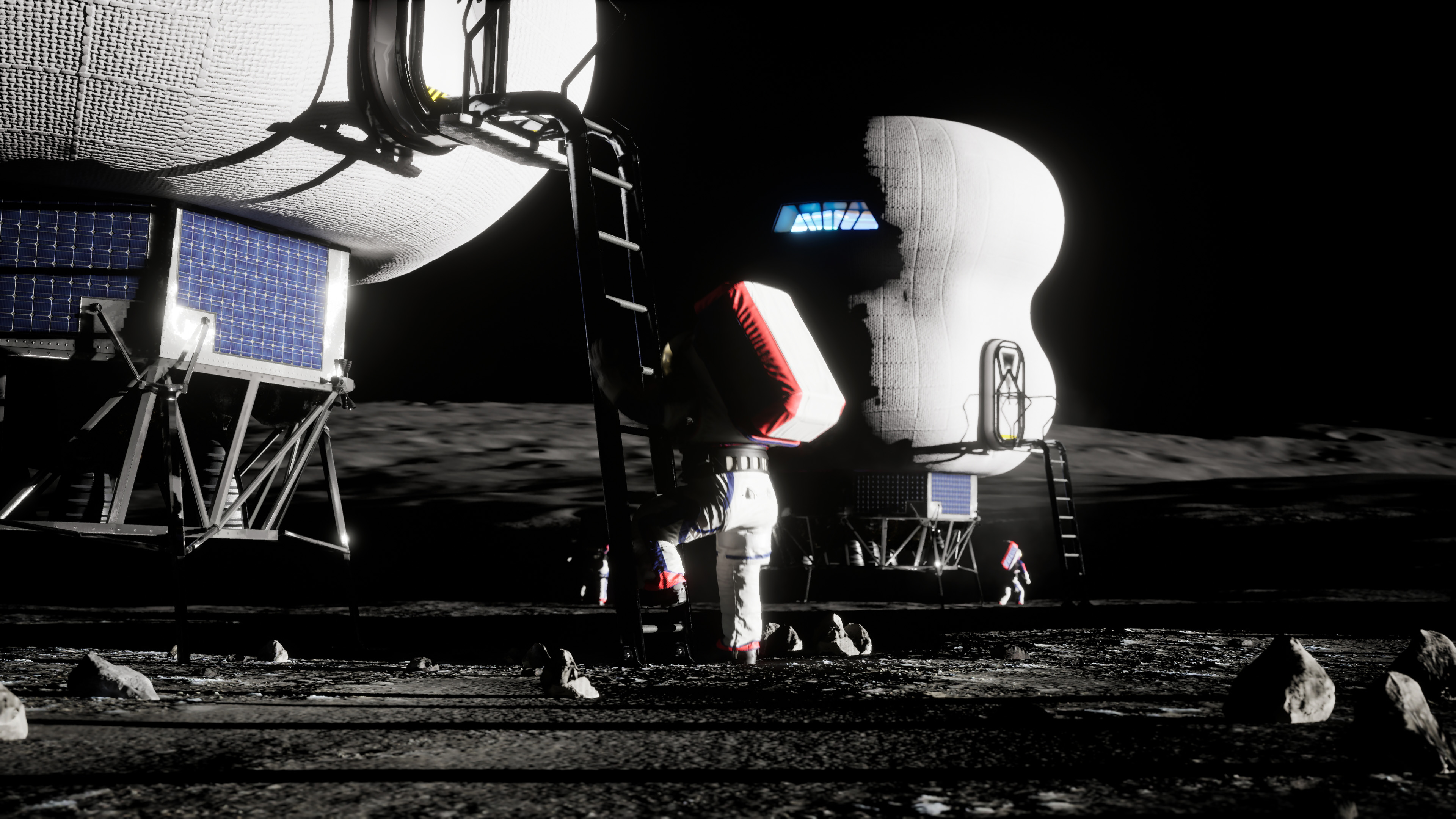
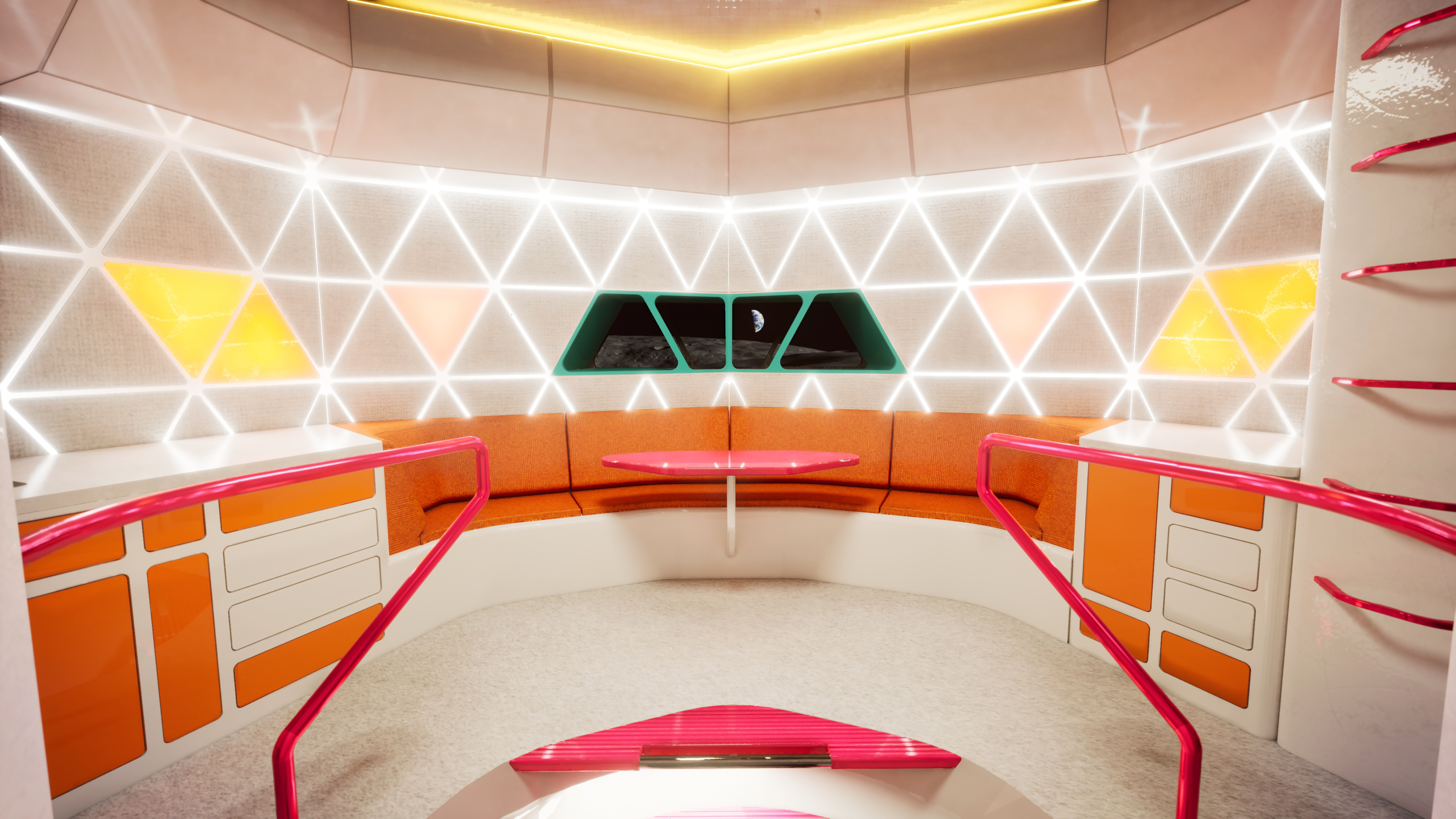
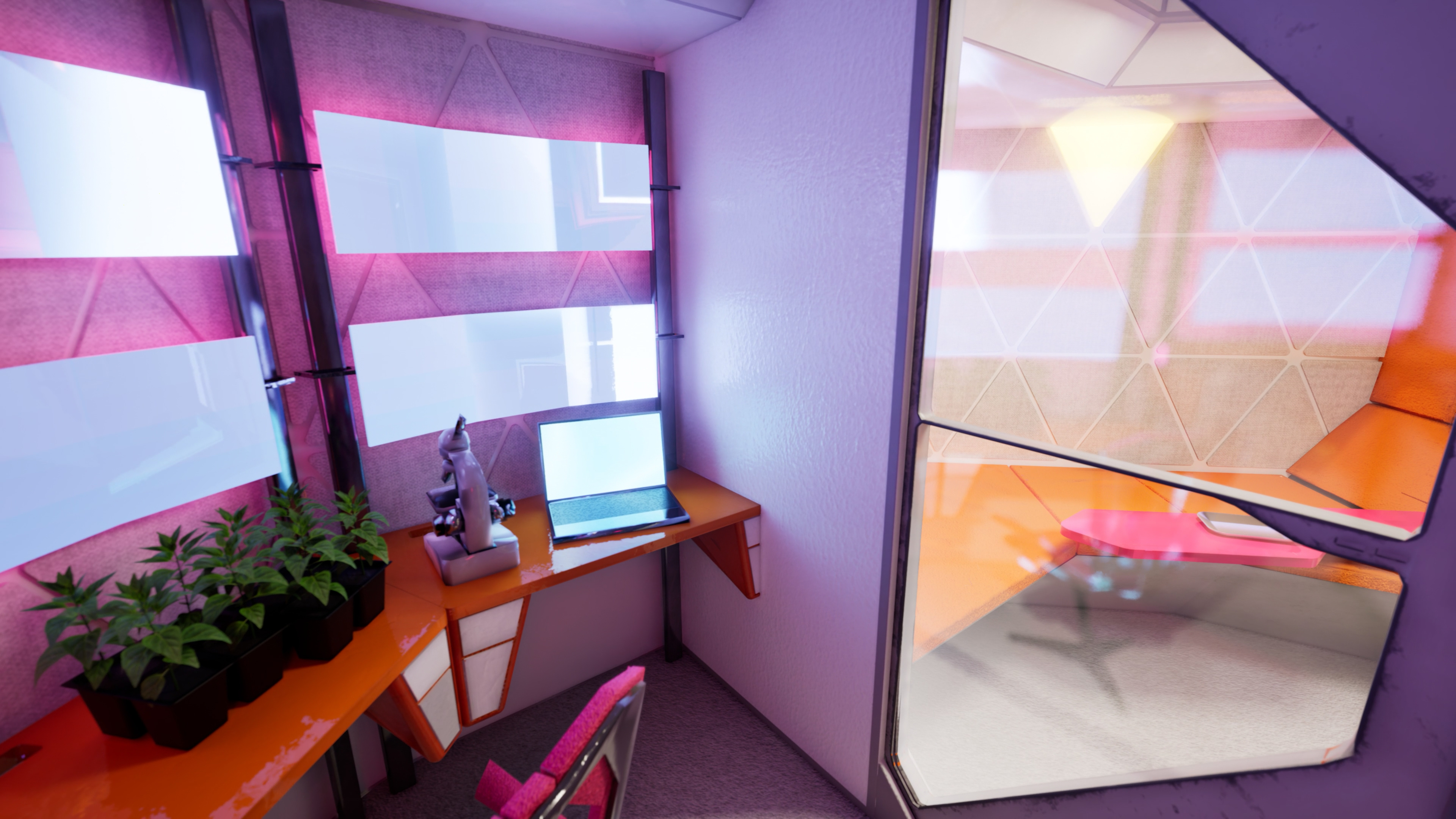
Initial studies based around this virtual environment were conducted at ESA’s Extended Reality Laboratory, located at the European Astronaut Centre in Cologne, Germany. Being the home to a wide range of uniquely qualified experts, including astronauts, aerospace engineers and lunar scientists, the centre provided us with ample opportunities to assess our design and collect constructive feedback.
Using the VR simulation, relevant experts were able to navigate the habitat in first person, exploring spatial configurations and evaluating the usability of key components under simulated lunar conditions. Our primary objective was to support expert assessment of the interior design and furniture layout, as well as to assess human factors, usability, and overall operational efficiency. The feedback was especially valuable in evaluating the feasibility of proposed laboratory activities, ergonomic aspects, and the arrangement of sleeping quarters and exercise areas, which included integrated physical training equipment. The airlock and its spatial configuration, including the central ladder connecting to the second level, were also carefully reviewed.
The immersive experience enabled the collection of real-time feedback on key aspects of the habitat, including movement flows, visibility, instrument accessibility, and perceived comfort within confined spaces. Insights gathered through these evaluations informed iterative design refinements, helping to ensure that the layout meets technical requirements while also supporting both cognitive and physical well-being.
Moreover, these VR and XR simulations facilitated interdisciplinary dialogue between designers, engineers, and human factors specialists, reinforcing the importance of a user-centered approach in space architecture. By simulating realistic scenarios – such as emergency egress, scientific operations, or routine daily activities – the system provided valuable insights into the operational viability of the habitat prior to any physical prototyping. Most importantly, it enabled the direct incorporation expertise of astronauts and other experts into the design process, transforming it into a truly collaborative, multidisciplinary co-design experience.
3.2 Soundtrack
The soundtrack for these animations came from two autonomously-running, complex patches on a large, custom-made modular synthesizer. The first patch generated the soundscape to match the “outdoor” lunar environment, while a subsequent patch was designed to generate the soundscape for the sequences inside the habitat. These patch compositions, along with most of the synthesizer hardware, were designed by co-author Joe Paradiso, who has been evolving this synthesizer system and composing with it for a half-century [18, 17, 16]. The “programs” that generated these soundscapes were essentially determined by the patched modules and their settings. These patches each used many hundreds of cables (see Fig. 10 for a view of the habitat interior soundscape patch in action), that connected well over a hundred modules and effects pedals modified to allow voltage control. These soundscapes were each generated in real time and the audio was directly recorded – what you hear is what the patches do live. They are very complex, and involve sonic layers that trigger and change. The “scheduler” here is essentially patched logic driven by several independent (and randomized) clocks - depending on how the clocks and counters driven by them align, different audio events are triggered in different ways, hence the patch never really repeats and keeps evolving. The audio snippets used in the video soundtrack were chosen from 3-hour contiguous recordings made from each of the patches.

Each of the two soundscapes were composed to support different atmospheres. The outdoor segment was meant to evoke the extreme feeling of celestial awe that one would get when physically on the lunar surface, produced mainly by dreamy pad-dominated textures, mellotron choirs, etc. These are supplemented by bursts of driving sequencer ostinatos (inspired by the 1970s Berlin-School music of Tangerine Dream [6], etc.), which convey a sense of motion and purpose. When one thinks of outdoor lunar operations, it is natural to want to add astronaut radio voices. Rather than use actual astronaut recordings or attempt to make them out of real voice samples (which could get repetitive), the “voice” sounds that come in occasionally are purely synthetic, generated by a phoneme module based on a Votrax voice synthesizer from the early 1980s [18]. This is driven by a pseudo-random generator with dynamically switching sequence lengths (giving the illusion of different phrases), all shifted up by a ring modulator running at periodically changing frequencies, with some distortion added here and there to yield a space “radio” dialog quality. While the “indoor” portion also attempts to maintain a sense of otherworldliness, it is perhaps more “utilitarian”. It began with a background bed of occasionally triggered audio samples of mechanical clacks and droning/whirring motor sounds that the composer recorded back in the late 80s. The use of these samples was inspired by discussions among the authors of how infrastructure sounds can be prevalent in space habitats, together with how astronauts described the sonic environment in the cramped Lunar Module while on the Moon’s surface [3]. Many other sonic events come and go, bringing this soundscape from a tonal/ambient environment into a more retro-avant “beepy” BBC-Radiophonic-style [14] landscape with an occasional grandiose pad sweeping in here and there.
4 Conclusions
This paper investigates the potential of adapting the ESA Argonaut lander as the foundation for a human outpost on the Moon, referred to as the Argonaut Habitat Unit. Through a multidisciplinary approach that integrates architectural design, engineering, computational modeling, and immersive technologies, a habitat concept was developed to address the complex and interdependent requirements of a lunar environment. The computational design process enabled the simulation of structural inflation and its subsequent analysis, supporting the form-finding process and grounding it in real-world physics. XR and VR technologies provided an in-depth, immersive understanding of the design, enabling astronauts and ESA experts to engage directly with the proposed habitat in a simulated environment. This not only facilitates the validation of spatial solutions, but also opens opportunities for astronaut training, stakeholder engagement, and iterative development. The study demonstrates how multidisciplinary design strategies can enhance existing aerospace systems and contribute to the realization of sustainable human habitation on the Moon.
References
- [1] Callie J Burke and Robert L Howard. Internal layout assessment of a lunar surface habitat. In ASCEND 2022, page 4266. AIAA, 2022.
- [2] William C Carey, Ludovic Duvet, Nick Gollins, Rogier Schonenborg, Alexander Cropp, Giorgio Cifani, Keith Stephenson, Philipp B Hager, Yannick Le Deuff, Kim Nergaard, et al. European access to the lunar surface: El3 mission options. In 72nd International Astronautical Congress (IAC), 2021.
- [3] A. Chaikin. A Man on the Moon: The Voyages of the Apollo Astronauts. Penguin Books, 2017.
- [4] Gordon Chin, Scott Brylow, Marc Foote, James Garvin, Justin Kasper, John Keller, Maxim Litvak, Igor Mitrofanov, David Paige, Keith Raney, et al. Lunar reconnaissance orbiter overview: Theáinstrument suite and mission. Space Science Reviews, 129:391–419, 2007.
- [5] DragonPlate. What is carbon fiber?, April 5, 2025 2025. URL: https://dragonplate.com/what-is-carbon-fiber?srsltid=AfmBOooBhek7cOZhkcpBzyy3DKJBkr9zeX58w8x-ICXpti7ZQcDhlo6t.
- [6] Froese E. Tangerine Dream - Force Majeure: Autobiography. Eastgate Music & Arts, 2017.
- [7] ESA. Argonaut: Europe’s lunar lander programme, April 5, 2025 2025. URL: https://www.esa.int/Science_Exploration/Human_and_Robotic_Exploration/Exploration/Argonaut_Europe_s_lunar_lander_programme.
- [8] Nick Gollins, Shahrzad Timman, Max Braun, and Markus Landgraf. Building a european lunar capability with the european large logistic lander. In EGU General Assembly Conference Abstracts, page 22568, 2020.
- [9] Sandra Häuplik-Meusburger and Olga Bannova. Space Srchitecture Education for Engineers and Architects. Springer, 2016.
- [10] GXN Innovation. Bridging research and implementation, April 23, 2025 2025. URL: https://gxn.3xn.com/projects.
- [11] Daniel Inocente, Colin Koop, Georgi I. Petrov, Jeffrey A. Hoffman, Valentina Sumini, Dr. Advenit Makaya, Marlies Arnhof, Hanna Lakk, Brigitte Lamaze, Dr. Aidan Cowley, David Binns, Markus Landgraf, Piero Messina, Claudie, and Haigneré. Master Planning and Space Architecture for a Moon Village. In Proc., International Conference on Environmental Systems, pages 1–12, Boston,MA, 2019. ICES 2019.
- [12] Saskia F Kuliga, Tyler Thrash, Ruth Conroy Dalton, and Christoph Hölscher. Virtual reality as an empirical research tool—exploring user experience in a real building and a corresponding virtual model. Computers, environment and urban systems, 54:363–375, 2015. doi:10.1016/J.COMPENVURBSYS.2015.09.006.
- [13] Markus Landgraf, Ludovic Duvet, Alexander Cropp, Gustavo Alvarez, Grzegorz Ambroszkiewicz, Massimiliano Bottacini, Pierre Brunner, Lorenzo Bucci, William Carey, Andrea Emanuele Maria Casini, et al. Autonomous access to the moon for europe: The european large logistic lander. 73rd International Astronautical Congress (IAC), pages 1820–1822, 2022.
- [14] L. Niebur. Special Sound: The Creation and Legacy of the BBC Radiophonic Workshop. Oxford University Press, 2010.
- [15] Tommy Nilsson, Flavie Rometsch, Leonie Becker, Florian Dufresne, Paul Demedeiros, Enrico Guerra, Andrea Emanuele Maria Casini, Anna Vock, Florian Gaeremynck, and Aidan Cowley. Using virtual reality to shape humanity’s return to the moon: Key takeaways from a design study. In Proceedings of the 2023 CHI Conference on Human Factors in Computing Systems, pages 1–16, 2023.
- [16] J. A. Paradiso. Joe paradiso, April 23, 2025 2025. URL: https://joeparadiso.bandcamp.com.
- [17] Joe Paradiso. Modular synthesizer. Timeshift: Proceedings of Ars Electronica, pages 364–370, 2004.
- [18] Joseph A Paradiso. The modular explosion-deja vu or something new? In Voltage Connect Conference, Berklee College of Music, Boston MA, pages 10–11, 2017.
- [19] Alexander Petrocelli, Robert A Bettinger, Noah C Kutz, and Carl Hartsfield. Atlas of historical and proposed nuclear devices and power systems in the earth-moon system and wider solar system. Progress in Nuclear Energy, 164:104857, 2023.
- [20] Cosimo Razeto, Dimitra Foncheva, Guillermo Trotti, and Valentina Sumini. Optimizing translucent multilayer membrane for lunar habitats: A design study. Acta Astronautica, 2024. doi:10.1016/2024.07.007.
- [21] M. Rossi, V. Sumini, A. Zanelli, and S. Viscuso. Computational design of an extreme livable lightweight environment on mars. Journal of Architectural Engineering, 30(2):04024009, 2024. doi:10.1061/JAEIED.AEENG-1632.
- [22] Lynn J Rothschild, Christopher Maurer, Ivan G Paulino Lima, Debbie Senesky, Anil Wipat, and James Head III. Myco-architecture off planet: growing surface structures at destination. Technical report, NASA Ames Research Center Moffett Field, 2019.
- [23] T. Still. Parametric modeling vs. direct modeling: What’s the difference?, May 31, 2025 2025. URL: https://www.autodesk.com/products/fusion-360/blog/parametric-modeling-versus-direct-modeling/?utm_source=chatgpt.com.
- [24] J. Stuster. Behavioral Issues Associated with Long-duration Space Expeditions: Review and Analysis of Astronaut Journals: Experiment 01-E104 (Journals): Final Report. National Aeronautics and Space Administration, Johnson Space Center, 2010.
- [25] V. Sumini, S. Wald, C. Mueller, C. Chesi, and O. L. de Weck. Multiobjective optimization for structural design of lunar habitats. Earth and Space 2018: Engineering for Extreme Environments, 2018.